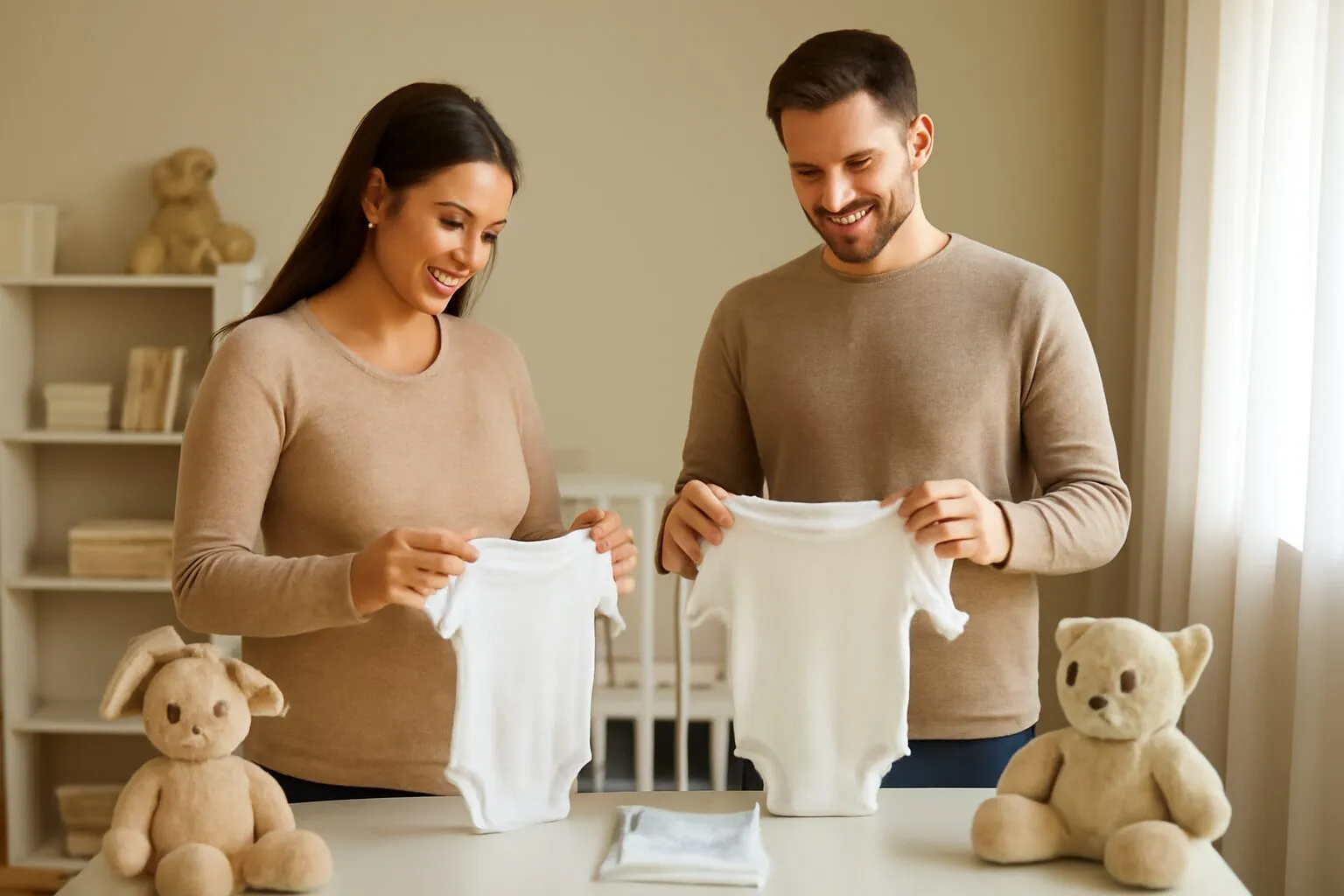
Baby sleep sack buying guide: pick the right size, warmth and materials
Covers what a sleep sack does, how it supports safer-sleep guidance, and practical shopping checks for fit, warmth, materials and care. Helpful for caregivers deciding when to move from a swaddle to a sack.

Introduction
Decide whether a sleep sack fits your baby’s needs: do you want a way to keep them warm without loose blankets, or do you need a product that replaces a swaddle while allowing arm movement? This guide explains what a sleep sack is, how it matches safer-sleep guidance, how to pick the right size and warmth, what materials and care to consider, when to stop swaddling, and what to check when you shop.
What a sleep sack is — and how it differs from swaddles and loose blankets
Use a sleep sack when you want wearable warmth without the loose fabric that can cover a baby’s face or create entrapment hazards. A sleep sack is a garment worn over sleep clothes that keeps the crib free of loose bedding. Unlike a swaddle, which wraps and restricts the arms and torso, most sleep sacks do not tightly constrain movement; unlike a loose blanket, a sleep sack remains attached to the baby and reduces the amount of loose material in the sleep area.
How sleep sacks fit into safer-sleep guidance
Follow the central safer-sleep messages: place babies on a firm mattress with a fitted sheet, keep pillows, toys and loose bedding out of the sleep area, and put infants on their backs to sleep. Within that framework, sleep sacks are presented as an alternative to loose blankets because they provide warmth without free fabric that could cover the face. Non-swaddling sleep sacks that allow free arm movement are considered appropriate beyond the newborn period and can be used into toddlerhood if families prefer them.
Choose the right size and fit
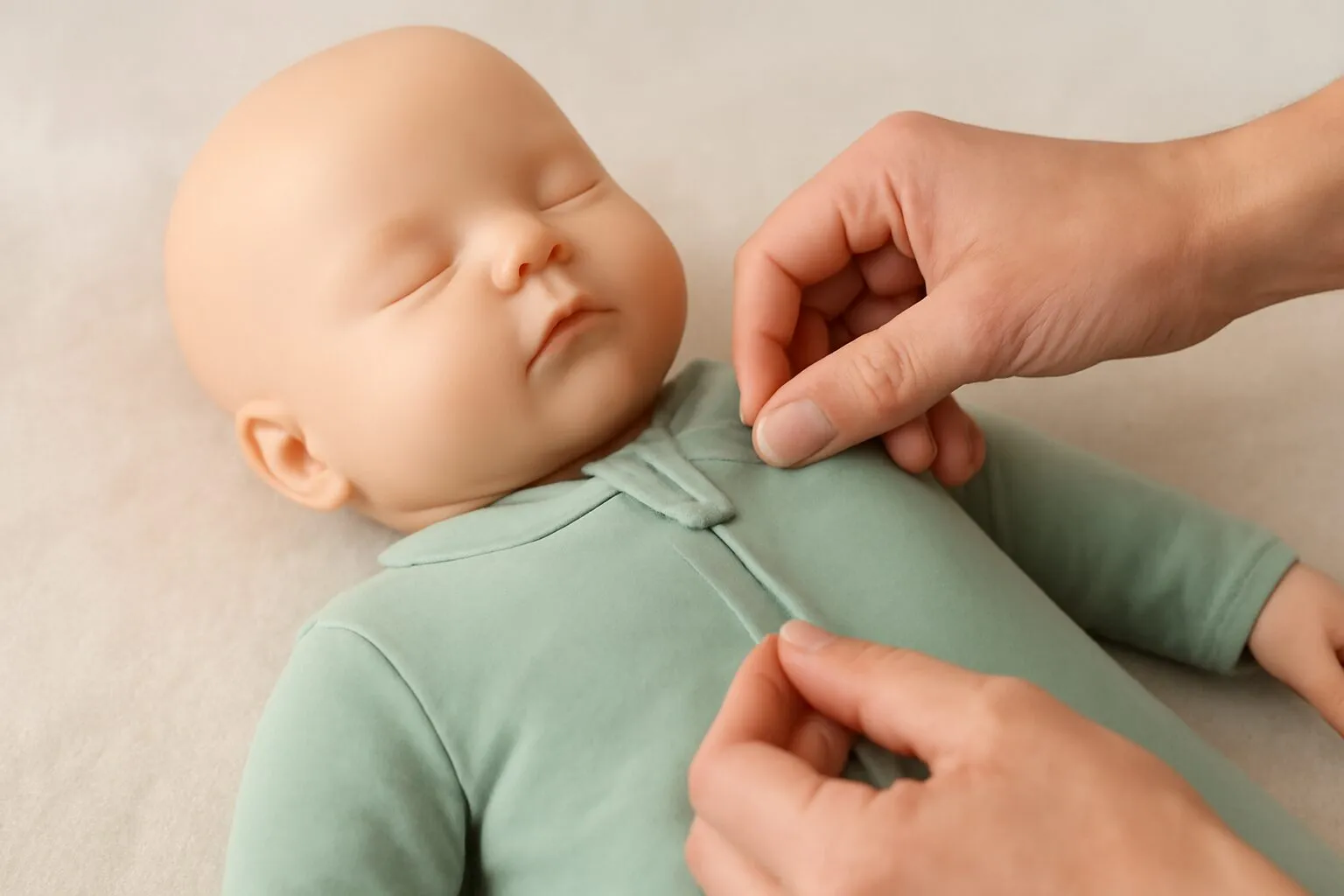
Decide by fit: a sleep sack must be sized so the baby cannot slip down inside it or push the garment over their face. Because manufacturers size and label products differently, follow the product’s size guidance rather than assuming sizes match your baby’s weight or length. Also look for labeling or design features that address head and neck clearance and secure openings. A recent voluntary ASTM safety standard for swaddles and wearable sleep products approved in February 2026 specifies design, sizing, labeling and testing elements; if a product references that standard, it can be an added consideration when shopping.
Selecting TOG and warmth level
Decide how warm the sleep sack should be based on your home temperature and your baby’s sleep clothes. Manufacturers use TOG ratings or descriptive labels such as lightweight, midweight and heavyweight. There is no single authoritative TOG recommendation here, so choose conservatively: pick a material and TOG that suit your room temperature, follow the manufacturer’s guidance, and avoid overdressing the baby. Always check laundering instructions, since repeated washing can affect insulation and fit.
Materials and care
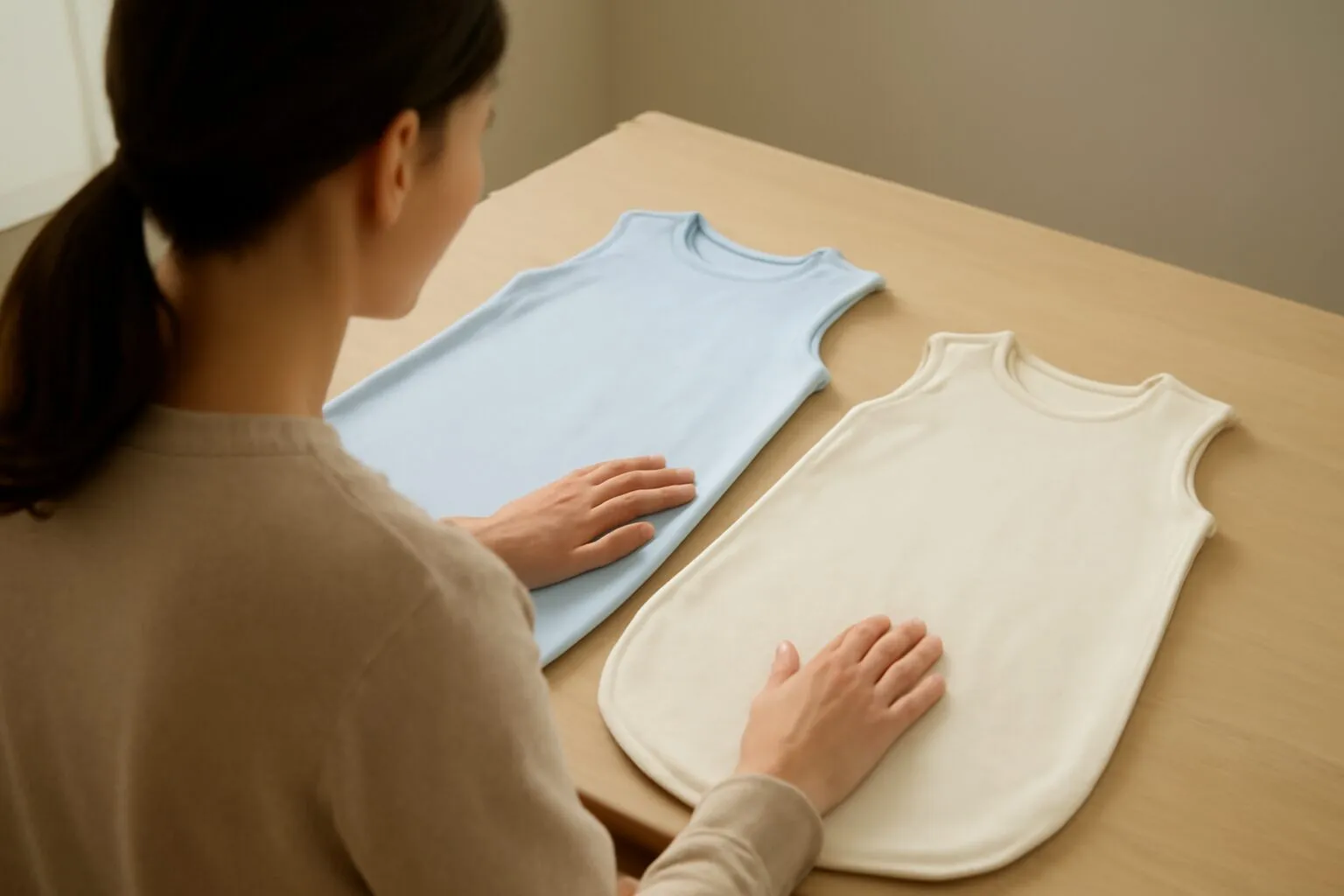
Choose fabrics you can launder correctly and that suit your climate. Breathable woven cotton and lightweight knits work well for warmer rooms; heavier knits and higher-TOG sacks are marketed for colder conditions. Read care labels before you buy so zippers, insulation and any flame-resistant finishes won’t be damaged by the washing method. Prefer materials you can clean without special handling when possible; that keeps the product functioning as intended and preserves any safety treatments or closures.
When to transition from a swaddle and how to do it
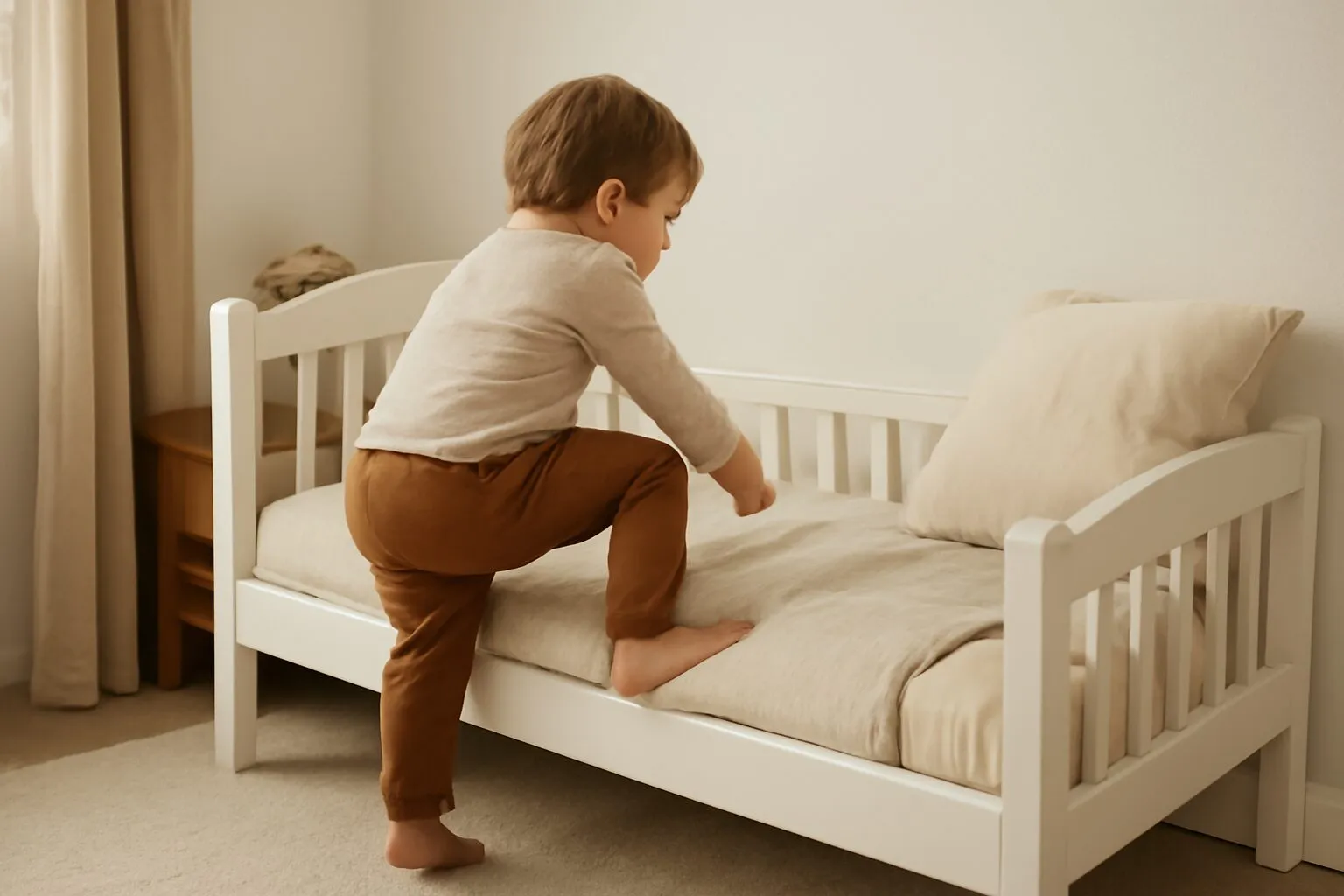
Decide to stop swaddling when your baby shows signs of rolling or tries to push up. Clinicians and many caregivers recommend ending swaddling at that point because restricting the arms can increase risk during rolling. Moving to a sleep sack that allows arm movement preserves warmth while removing constraints that make rolling riskier. If desired, families can continue using non-swaddling sleep sacks well into the toddler years.
Shopping checklist and practical checks
- Follow the product’s sizing chart—ensure the sack won’t allow the baby to slide down or turn the fabric over their face.
- Look for manufacturer labeling that references safety standards (for example, the voluntary ASTM standard for swaddles and wearable sleep products approved February 2026).
- Avoid detachable hoods, long ties, loose decorative items or anything that could become loose in the crib.
- Check the TOG rating or descriptive warmth guidance and match it to your home temperature; when in doubt, choose a lighter option and add a layer under the sack if needed (following safe-dressing guidance).
- Read laundering instructions to keep zippers, insulation and any safety treatments intact; frequent washing can change fit and warmth.
- Keep the overall sleep environment safe: firm mattress, fitted sheet, no soft objects or loose bedding, and choose well-fitting sleep sacks that fit the baby and contain no loose straps.
Frequently asked questions
Are sleep sacks safe for newborns?
Yes—sleep sacks are recommended as an alternative to loose blankets to keep infants warm. Use an appropriately sized sack and follow the manufacturer’s labeling and safer-sleep guidance.
When should I stop swaddling and move to a sleep sack?
Stop swaddling when the baby begins rolling or shows active attempts to push up. Transition to a sleep sack that allows arm movement to keep the sleep area free of loose blankets while letting the baby use their arms.
How do I choose TOG or warmth level?
Match the product’s TOG or descriptive weight to your room temperature and the baby’s sleep clothing. There is no single authoritative TOG recommendation in the reporting, so choose conservatively, follow the label, and monitor the baby’s comfort.
Practical next steps
Decide which priorities matter most—clear sizing, easy care, a particular warmth level or a reference to voluntary safety standards—then use the shopping checklist above when you evaluate models. Once you have a sleep sack, routinely check fit and condition after washing, stop swaddling when your baby begins to roll, and maintain a firm, clutter-free sleep space with the baby placed on their back.