
Stroller wagon buying checks for safety and fit
Practical checks and test-drive steps that help parents choose a stroller wagon matched to their routine, from capacity and harnesses to brakes, wheels and folded size, plus maintenance and accessory limits.
Introduction
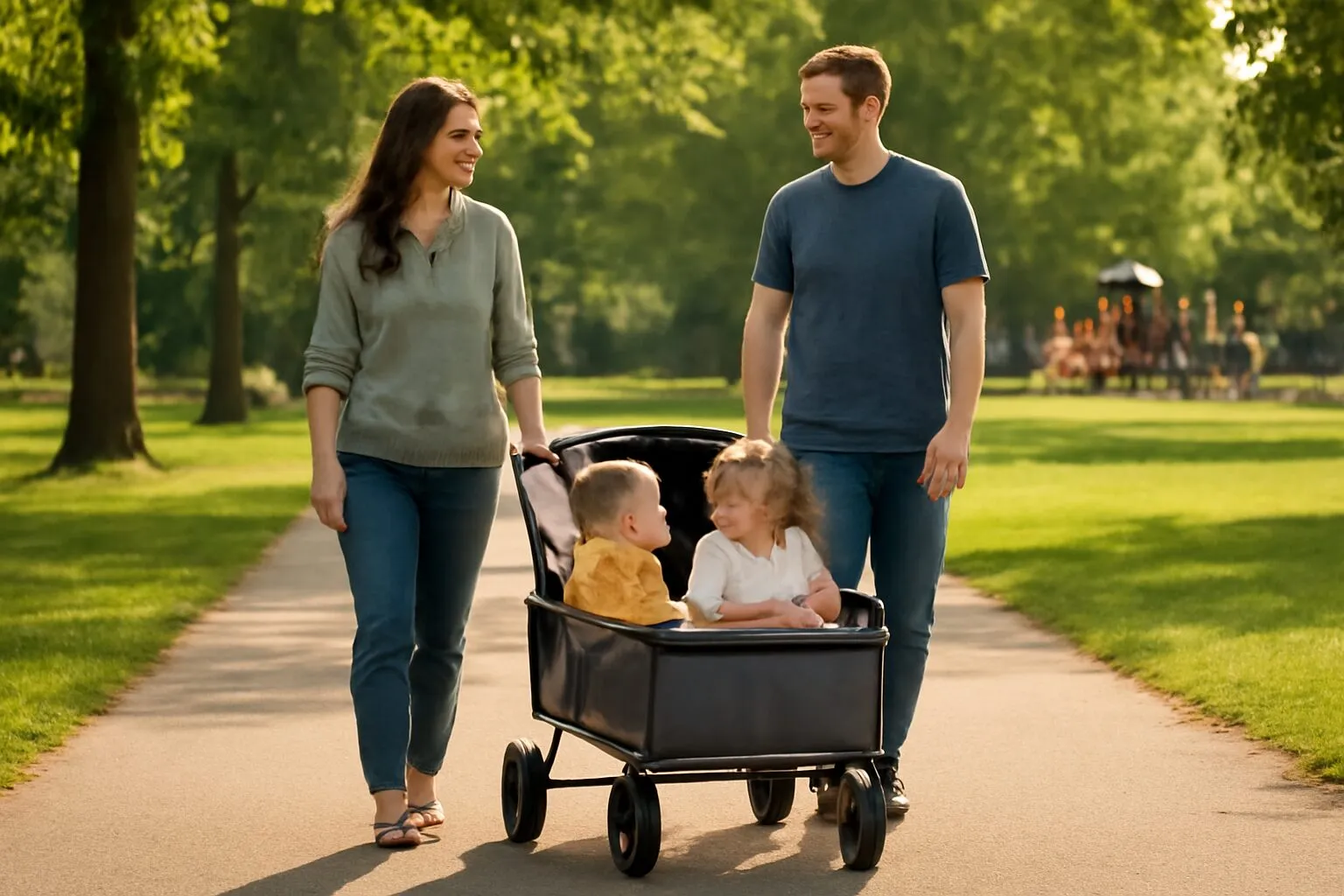
Decide what you need the wagon to do most often—carry two children, haul groceries, handle sand, or fold for travel—then use that purpose to guide every comparison. This guide focuses on the practical checks that matter in 2026: capacity and age limits, restraint and brake safety, wheels and terrain performance, and the shopping steps that reduce risk when standards are still unsettled.
Quick buyer’s checklist: what to confirm before you buy
Before you commit to a model, verify these concrete items so you can compare models on the same terms:
- Age and weight limits: find the manufacturer’s stated minimum age and maximum weight per seat and total load; add child plus cargo weights when you calculate capacity.
- Restraints and seating: note the harness type (5-point vs. 3-point), adjustability, and whether seats recline or are removable for cargo use.
- Brake design: test that the parking brake engages and releases firmly and easily.
- Wheels and suspension: for sand, gravel or trails prefer larger, air- or foam-filled tires and simple suspension or shock absorption; narrow plastic wheels suit only smooth surfaces.
- Fold and storage: measure the folded size and confirm you can fold it with one hand or while a child is nearby (but not inside the wagon).
- Maneuverability and steering: try tight turns and uphill handling and check turning radius in a real space.
- Build and materials: inspect frame joints, fabric attachments and exposed hardware for pinch points and durability.
- Accessory compatibility: confirm canopies, rain covers, cup holders and infant inserts are supported and follow manufacturer weight guidance.
Safety essentials: what to check and why it matters
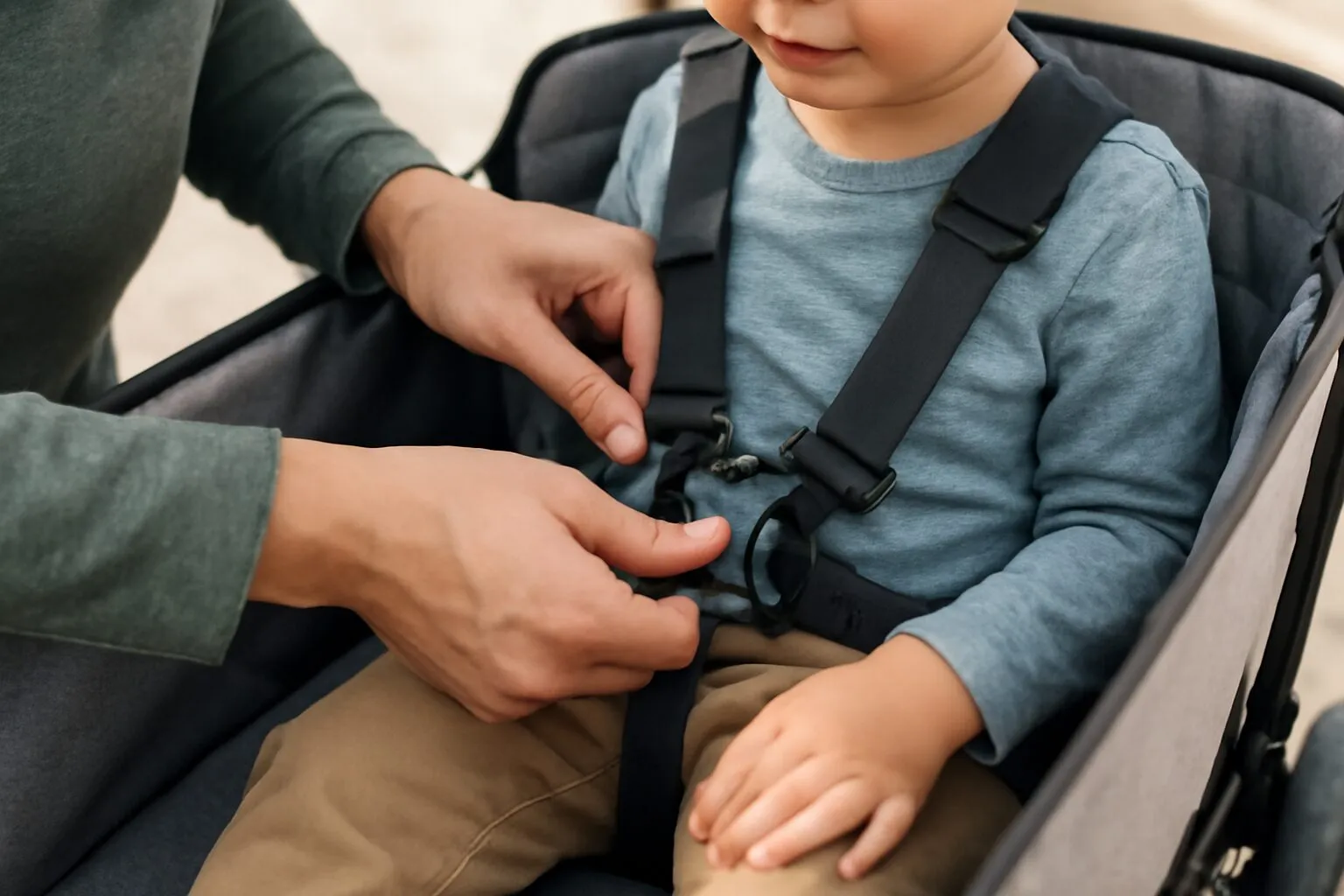
Decide which safety checks you will perform in-store and at home. Stroller wagons mix passenger and cargo roles, so their hazards differ from standard strollers: restraint security, braking effectiveness, and structural strength are the key factors. Keep two context points in mind: strollers are subject to established mandatory safety standards, while a formal stroller-wagon standard is still developing, and manufacturers vary in whether they test wagons to stroller rules. Because of that variability, always assess the harnesses, brakes, labels and frame before you use a wagon with children.
Features and specs to compare (detailed checks)
Compare these features side‑by‑side and perform the practical checks listed.
Age and weight limits
Decide whether you’ll use the wagon only for toddlers or also for infants and cargo. Look for clear, printed guidance about minimum age, maximum weight per seat, and total load. If you plan to carry both children and gear, add those weights together and compare to the stated total capacity.
Harnesses and seating
Prioritize a secure restraint system you can tighten and release reliably. Confirm the harness type (5-point harnesses distribute forces better than 3-point systems), whether it adjusts easily as your child grows, and if seat liners or inserts attach securely. Removable seats increase versatility but verify that attachment points cannot come loose under normal use.
Wheels, tires and terrain
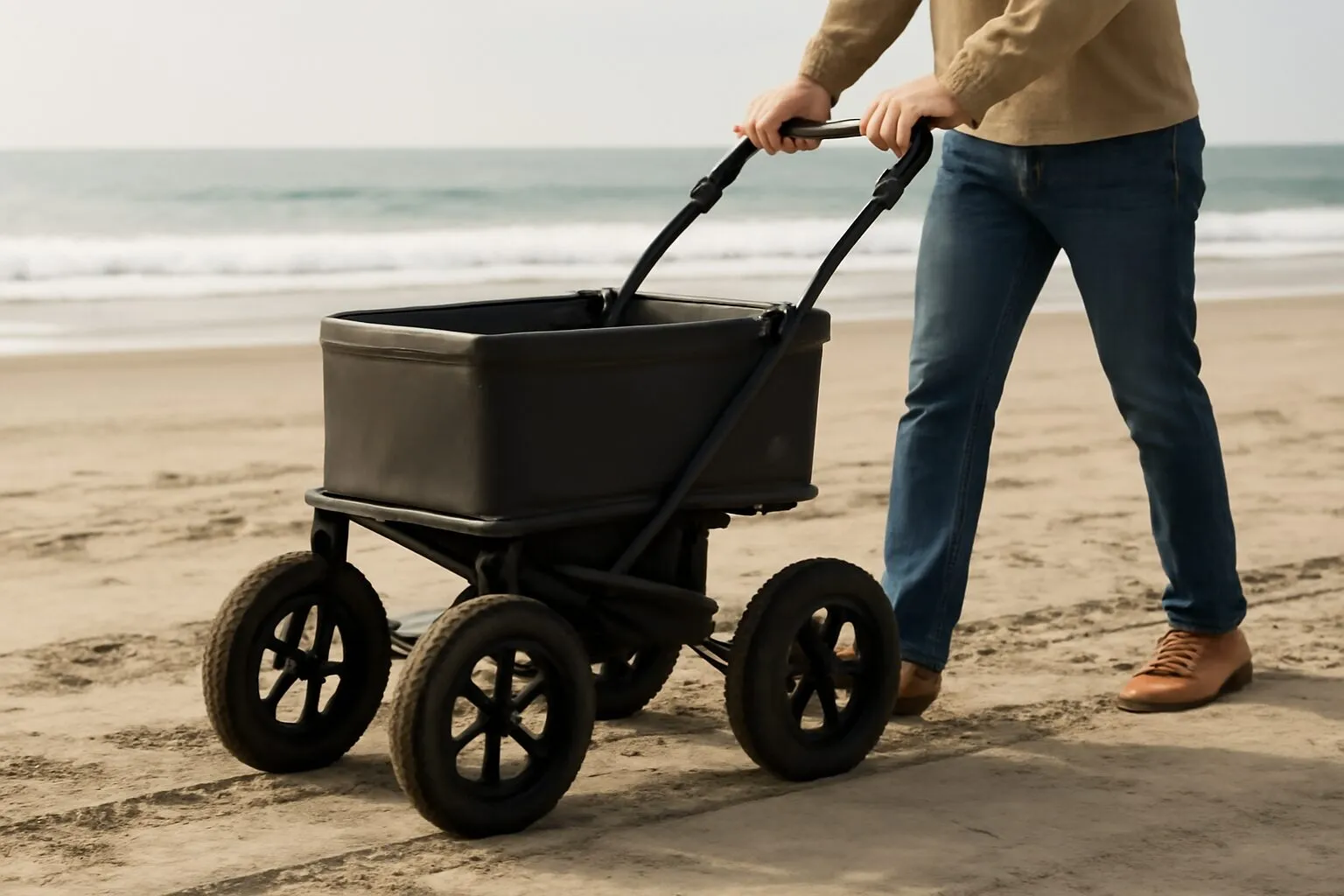
Decide the terrain you use most. Bigger, air-filled or foam-filled tires and some suspension improve comfort and traction on sand, gravel and park paths. Wide-set wheels resist tipping and sand intrusion. Narrow plastic wheels are suitable for malls and sidewalks but perform poorly off-road. Look for sealed or solid bearings to reduce maintenance, especially after beach use.
Folding, footprint and maneuverability
Test folding in person: measure the folded footprint for trunk or closet storage and check whether the handle locks in transport. Practice turning the wagon around furniture or through a store aisle to judge steering feel and turning radius. Try engaging the brake on a slope that simulates your routine terrain.
Match the wagon to your use-case
Choose a model whose strengths match your routine rather than buying for a single standout feature.
Travel and airports
For flights and frequent car travel, prioritize a compact, lightweight model with a reliable locking fold and carrying straps or handles that make short carries practical. Evaluate how it rides with luggage and whether it fits trunk and overhead-bin constraints when folded.
Beach and rough terrain
On sand or rough trails, choose a sturdy frame with large, wide tires and sealed or solid bearings that resist sand and salt. Prefer fabrics that rinse easily and hardware that resists corrosion.
Twins or multiples
Confirm per-seat limits and overall capacity, and compare seat widths and independent harnesses so each child has a secure, comfortable position. Make sure the total of both children plus any gear does not exceed the wagon’s maximum load.
Urban and city use
In tight city spaces, compact folded size, a tight turning radius and simple, easy-to-operate brakes matter most. Look for storage nooks and accessory compatibility for groceries, bags or diaper gear to improve convenience.
Accessories, maintenance and storage: what to do for longer life
Decide which accessories you really need and check manufacturer guidance before adding heavy attachments—canopies, cup holders and cargo racks change weight and handling. Regular maintenance keeps the wagon safe: keep moving parts clean, rinse sand and salt after beach trips, lubricate or service bearings if recommended, and inspect fasteners, seams and fabric for wear. Follow weight limits when adding accessories; they count toward total capacity.
Shopping and test-drive strategy: where to check specs and what to test
Do these checks in person and online to reveal hidden problems. First, compare printed specifications on manufacturer product pages and on-box labeling for weight limits, harness type and materials; request written specifications if you need them for a side‑by‑side comparison. In store, fold and unfold the wagon, engage the brake on a small slope, and push it loaded with a weight similar to your expected typical load. Try tight turns and uphill pulls. Red flags to avoid include vague or missing capacity/age labels, loose or inconsistent harness hardware, brakes that feel weak, and exposed pinch points where fabric meets frame.
Conclusion
Stroller wagons are highly useful when chosen for the activities you actually do. Because regulatory approaches and manufacturer testing vary, buy only after you confirm labeled limits, test restraint systems and brakes, and match wheel and frame design to the terrain you use most. Keep maintenance and accessory limits in mind to preserve safety and function.
Frequently asked questions
Are stroller wagons regulated the same as strollers?
No. Strollers are subject to mandatory stroller safety standards; a formal stroller-wagon-specific standard is still under development. Manufacturers may or may not test wagon models to stroller rules, so check labels and ask manufacturers for test information before using a wagon with children.
Where should I verify capacity and harness details?
Always check the manufacturer’s official product page and the printed labels on the box or product. If you need the information for comparison, request written specifications from the seller or manufacturer.