Baby shower games for inclusive, low‑cost and virtual‑friendly parties
A practical collection of baby shower activities emphasizing inclusivity, low‑cost and virtual‑ready options. Includes quick printable plans, accessibility adaptations, and pacing advice so hosts can choose games that suit their guest mix and tone.
Quick planning primer: choosing the right games for your shower
Start with the host-first decisions so the activities you choose fit the people and the place. Before you buy supplies or print cards, ask these questions:
- Guest mix: Who’s coming? Note ages, mobility, sensory sensitivity, language needs, whether children or older relatives will attend, and whether guests include partners or friends who’ve never met each other.
- Tone: Do you want a low-key, sentimental gathering or a high-energy, competitive party? Pick games that match that tone — loud competitions can alienate older or sensory-sensitive guests, while only-sentimental activities can leave extroverts bored.
- Time & schedule: How long is the shower? A two-hour brunch needs fewer activities than an afternoon event (see the timing section below).
- Space & setup: For small rooms, choose seated or tabletop games; avoid anything requiring running or large clear floorspace.
- Budget & prep level: Low-cost, no-prep options (printables, paper prompts) work when hosts want to minimize shopping; craft-heavy games suit hosts who enjoy prepping.
- Format: Is the shower in-person, virtual, or hybrid? Many guessing and printable games translate to video calls with a host running screenshare or sending files ahead (see the virtual section).
Ethical boundaries: avoid games that pressure guests to reveal medical or personal details (pregnancy history, fertility journeys, or anything that could be emotionally triggering). If you plan any question-based activity, make it optional and remind guests they may pass.
How many games and where to place them in your schedule
Rather than a fixed count, scale the number of activities to your event length and energy plan.
- Short showers (90–120 minutes): Aim for two to three games — an icebreaker near the start, one main activity during the middle, and an optional wrap-up or bingo during gift-opening.
- Longer gatherings (3–4 hours): Plan three to five activities spaced across the event: a quick icebreaker, a creative or team game before food, a seated keepsake or craft while people eat, and a short, energetic game to close if you want energy up again.
Pacing tips:
- Use an icebreaker as guests arrive to dissolve awkwardness (a quick “Find the Guest” or a baby-themed bingo).
- Place a seated, low-energy activity (keepsake-making, Wishes for Baby) during food or gift-opening so people can participate without missing eating or presents.
- If you include a main competitive game, schedule it when most guests are present and slightly after food so people are alert and engaged.
Accessibility & inclusivity checklist for every game
Apply these simple adaptations so games welcome people with mobility, sensory, cognitive, vision or hearing differences, and guests who don’t speak the primary language fluently.
- Mobility: Ensure seating is available and that a game can be played while seated. Replace standing relays with timed tabletop versions (e.g., diaper-folding station at each table).
- Vision: Use large-print cards and high-contrast colors. Offer an audio version of instructions or a volunteer reader.
- Hearing: Speak clearly, use a microphone in larger rooms, and provide written instructions or captions during virtual games.
- Neurodiversity & sensory sensitivity: Offer quiet alternatives to loud or surprise-based games; provide a quiet corner and let guests opt out without spotlighting.
- Language & literacy: Keep wording simple, provide translated instruction cards when needed, or pair guests so one reads while the other writes or points.
- Age inclusivity: For multi-generational groups, choose easy rules and give children simple roles (scorekeeper, helper) or include kid-friendly versions of the same activity.
- Prize equity: Avoid prizes that single out winners repeatedly; offer small tokens for participation and one meaningful prize for the winner to keep things friendly.
Sentimental & low-energy activities (good for multi-generational groups)
These quieter options build keepsakes, encourage conversation, and include both children and elders.
- Wishes for Baby: Give each guest a short card with prompts (e.g., “I wish for you…,” “You’ll be great at…”). Collect cards into a keepsake box for the parents.
- Advice Jar: Guests drop short, anonymous pieces of advice into a jar; the parents-to-be read them later. Optional themes: first-year tips, bedtime hacks, or silly predictions.
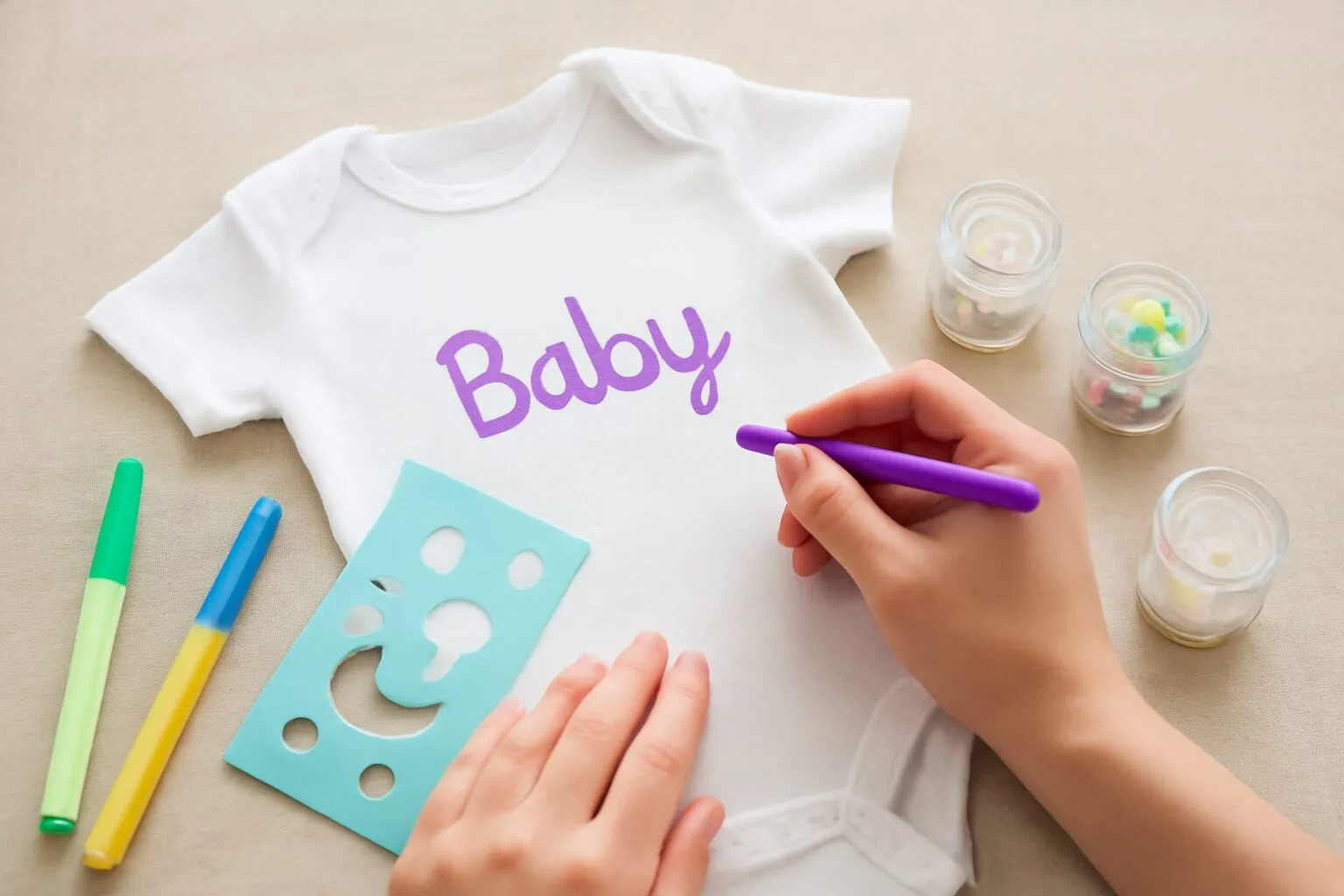
- Decorate a Onesie: Provide plain onesies and fabric markers. Keep the workspace tabletop and offer examples so people of all ages feel comfortable creating.
- Storytelling Prompts: Place a stack of prompt cards (“Tell a memory of the mom-to-be,” “Share a childhood nickname”) at each table and invite voluntary sharing rounds.
- Memory Book: Set out a scrapbook and ask guests to add a photo or a short note. If printing photos on the spot isn’t feasible, guests can leave a note and contact info so the host can add photos later.
Game categories and example adaptations
Below are practical games grouped by format with brief instructions and inclusive/virtual variants.
Icebreakers (quick, low-prep)
- Find-the-Guest: Guests get cards with facts and must find people who match. Adaptation: allow guests to mark matches on a paper sheet if approaching others is hard.
- Baby Bingo: Printable cards guests mark as gifts are opened. Virtual variant: share a PDF card in chat and guests mark on their device; call “bingo” in the meeting chat.
Seated guess & trivia games
- Who Said What?: Ask the parents-to-be to answer questions before the party; guests guess who answered which. Keep it optional and avoid personal questions.
- Baby Food Jar Guessing: Number jars and have guests guess contents by sight. For guests with smell sensitivity or children, provide labeled jars for easy inclusion.
Creative & keepsake activities
- Onesie Decorating (tabletop): Prewash onesies and set out fabric markers. Provide aprons and paper underneath for neatness and accessibility tools (grip scissors, larger markers).
- Time Capsule: Guests write notes to the baby for a future date. Virtual guests can email entries and the host prints them later.
Active & playful games (adjust for safety)
- Diaper Relay (seated version available): Teams race to change a doll’s diaper with time or step limits. For limited mobility, convert to a timed challenge at each table with helpers.
- Don’t Drop the (Egg) Baby: Use hard-boiled eggs for indoor events and seated balancing versions for guests who can’t stand.
Co-ed and mixed-age friendly games
- Couples Trivia: Questions about parenting predictions and baby names; keep questions light and optional.
- Team Pictionary: Use large-print cards and short timers; teams can include mixed ages so kids and elders work together.
Virtual-friendly activities
- Digital Wishes & Slideshare: Collect wishes via a shared doc and present them during the call.
- Screen-shared Price-Is-Right: Show images from a registry and have remote guests type price guesses in chat or on a poll.
- Poll-based trivia: Use platform polling to run fast quizzes; include captions and written questions for accessibility.
Prep checklist and quick printables plan
Essentials to prepare ahead:
- Printable cards (large-print versions), answer keys, pens, and a clear timer.
- Adaptation items: extra chairs, high-contrast signs, and a quiet corner.
- Virtual: PDFs sent in advance, a host device for screenshare, and a backup volunteer to manage chat.
Frequently asked questions
How do I keep games inclusive without over-simplifying them?
Offer a variety: pair one conversational/keepsake activity with one light competitive game. Make participation optional and provide roles for quieter guests (judge, scorekeeper, reader).
Can kids join adult games?
Yes. Either run a kids’ version in parallel or make simple rule tweaks so they participate meaningfully (longer timers, simpler tasks, or helper partners).
Final note: thoughtful choice and simple adaptations make almost any baby shower game more welcoming. Focus on what the parents-to-be will remember — shared moments and keepsakes — and plan the pace so everyone can join when they want.