Diaper Bag: Choose Between Backpack, Tote or Convertible by how you move
A practical comparison that maps common routines to bag styles and gives a compact checklist plus packing and maintenance tips to help buyers choose a diaper bag that fits their life.
Match the bag to how you move
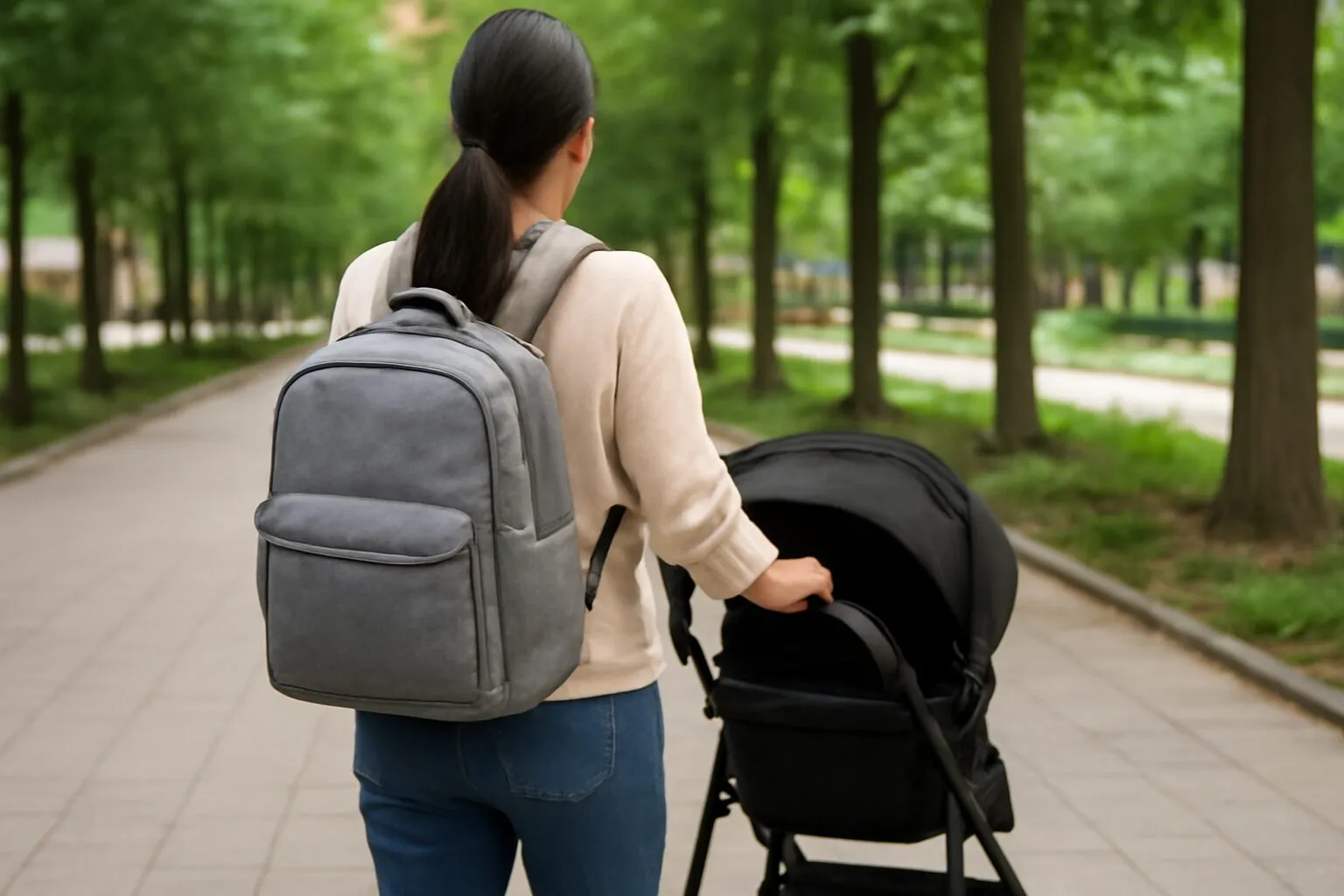
Decide what you need from a diaper bag by thinking about your most common outings. If you walk, bike or use public transit and need hands-free balance, a backpack usually fits better. If you grab the bag and go for short errands or want a handbag-like appearance, a tote is faster to access. If multiple caregivers will share the bag or you want one bag for both daily life and occasional travel, consider a convertible or hybrid.
Which style fits your routine?
Read the short persona below that most closely matches your life and then go to the matching advice that follows.
Commuter (public transit, bike, long walks)
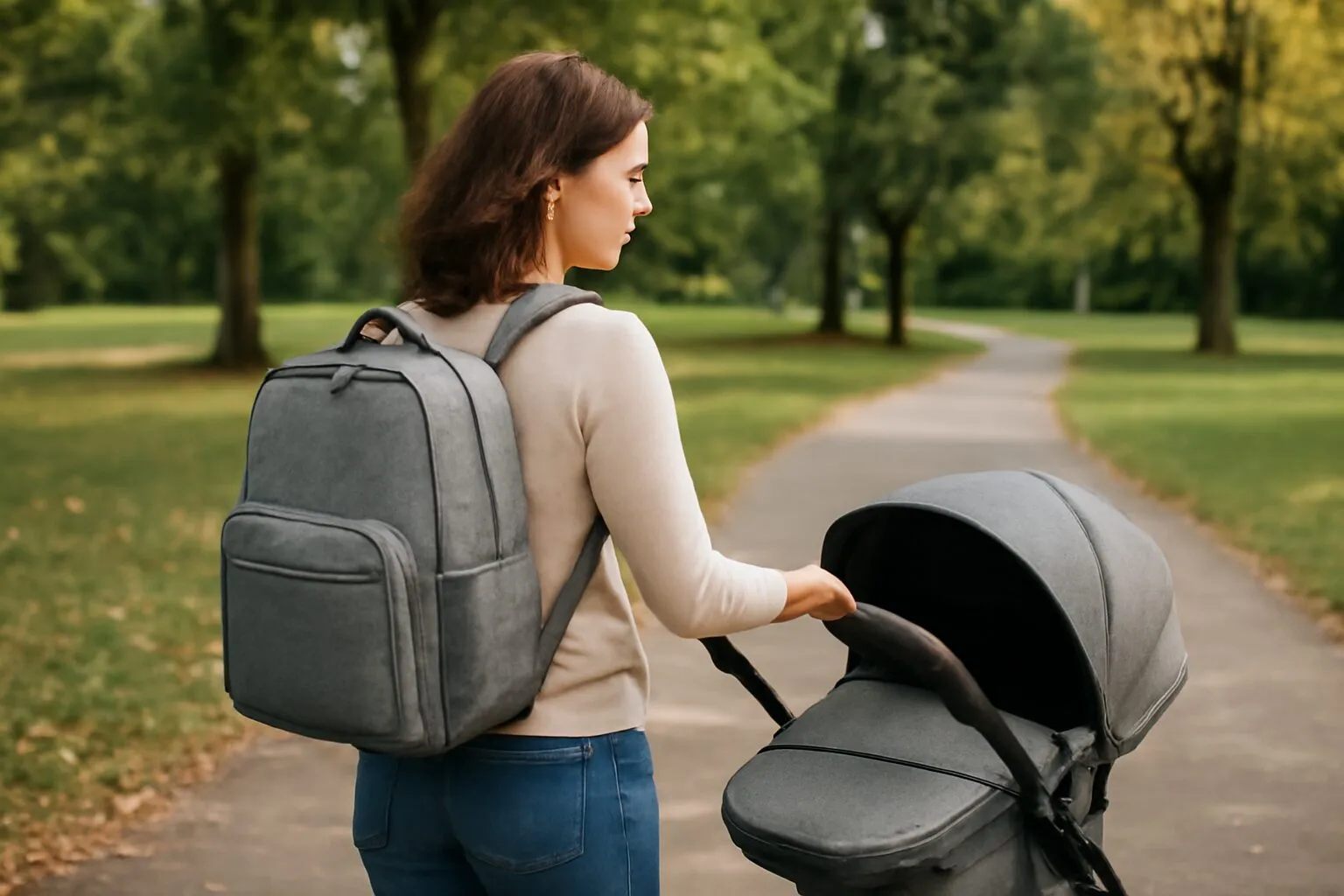
Decide whether you need sustained comfort and hands-free travel. Prioritize a backpack: it balances weight across both shoulders, commonly offers padded straps and back panels, and usually has insulated bottle pockets and internal organization that prevents small items from falling to the bottom during a commute. Stroller straps are useful but optional.
Traveler or weekender
Decide if one bag should serve for overnight trips as well as daily outings. Choose a backpack with wide access (top or U-shaped zippers) or a convertible bag with expandable capacity and a structured interior. Look for a changing pad, roomy main compartment and internal dividers or a removable organizer to keep clothes separate from diapers.
Minimalist / short outings
Decide to carry only the essentials and move lighter. A small tote or streamlined shoulder-style diaper bag is best for quick errands, coffee runs or park visits because it lets you reach a pacifier or wipes without removing the bag. Totes are fast to access and encourage packing less.
Shared caregivers (partners, grandparents, daycare drop-offs)
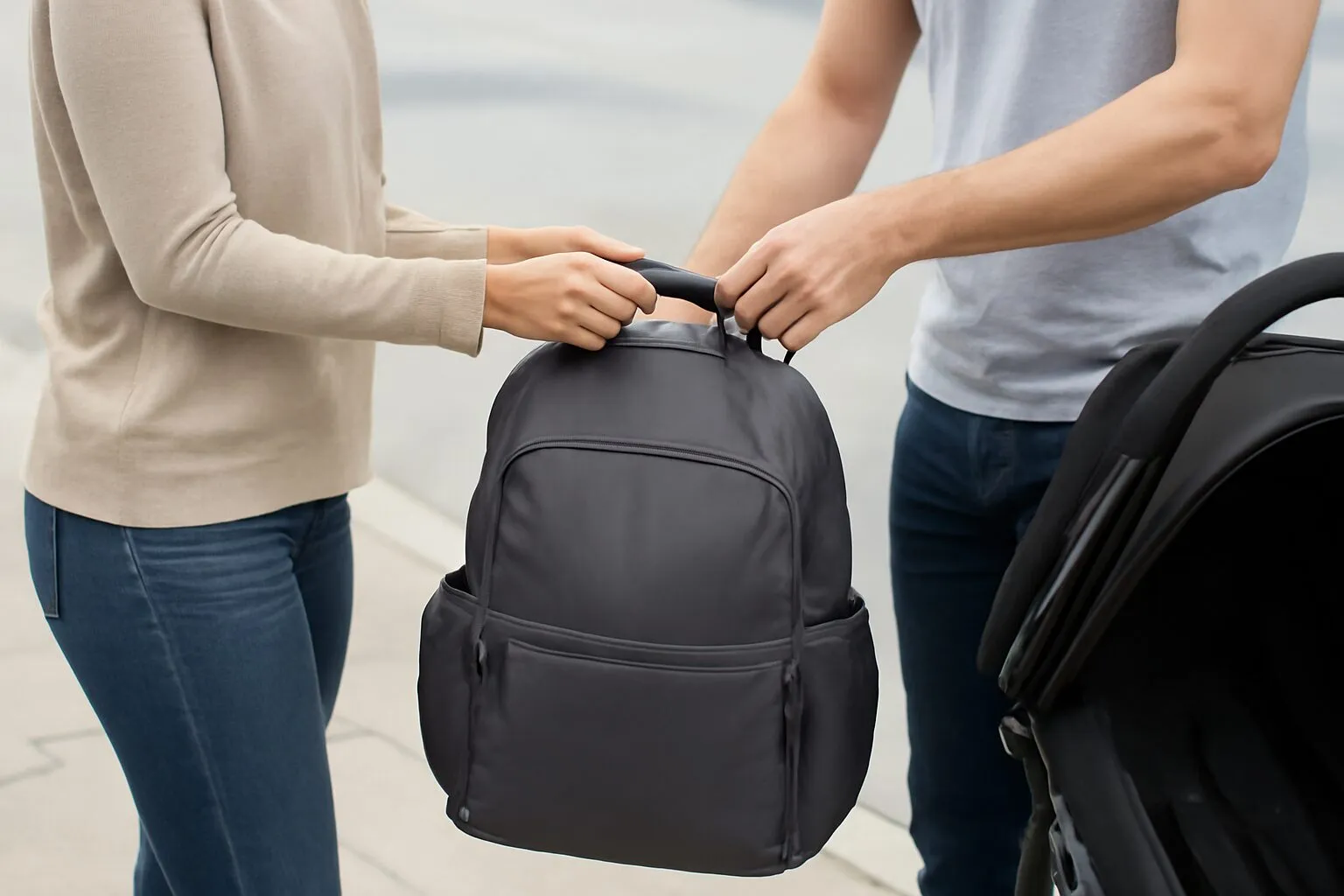
Decide whether the bag must fit different bodies and handing styles. Convertible bags or backpacks with wide adjustability, neutral styling and pockets reachable from either side make handoffs less awkward. Generous exterior pockets let a partner find keys or a phone quickly.
Backpack vs tote vs convertible: quick tradeoffs
- Backpack — Pros: hands-free, even weight distribution, typically more pockets and insulated bottle holders. Cons: harder to access while worn, can be bulky, some styles lean utilitarian.
- Tote — Pros: instant access, handbag look, easy to hand items across. Cons: uneven weight on one shoulder, fewer secure pockets, awkward if you’re also carrying a child.
- Convertible / hybrid — Pros: flexible, adapts to different caregivers and outings. Cons: compromises on the prime features of either style and can be heavier when empty.
What to check when comparing diaper bags
Use this checklist while shopping. Try things on in person when you can and verify dimensions and materials in product specs.
- Straps & padding: wide, padded straps reduce shoulder pressure; check long-range adjustability and whether tote handles are long enough to fit over a stroller handle or coat sleeve.
- Back panel and ventilation: breathable or padded back panels help on long carries.
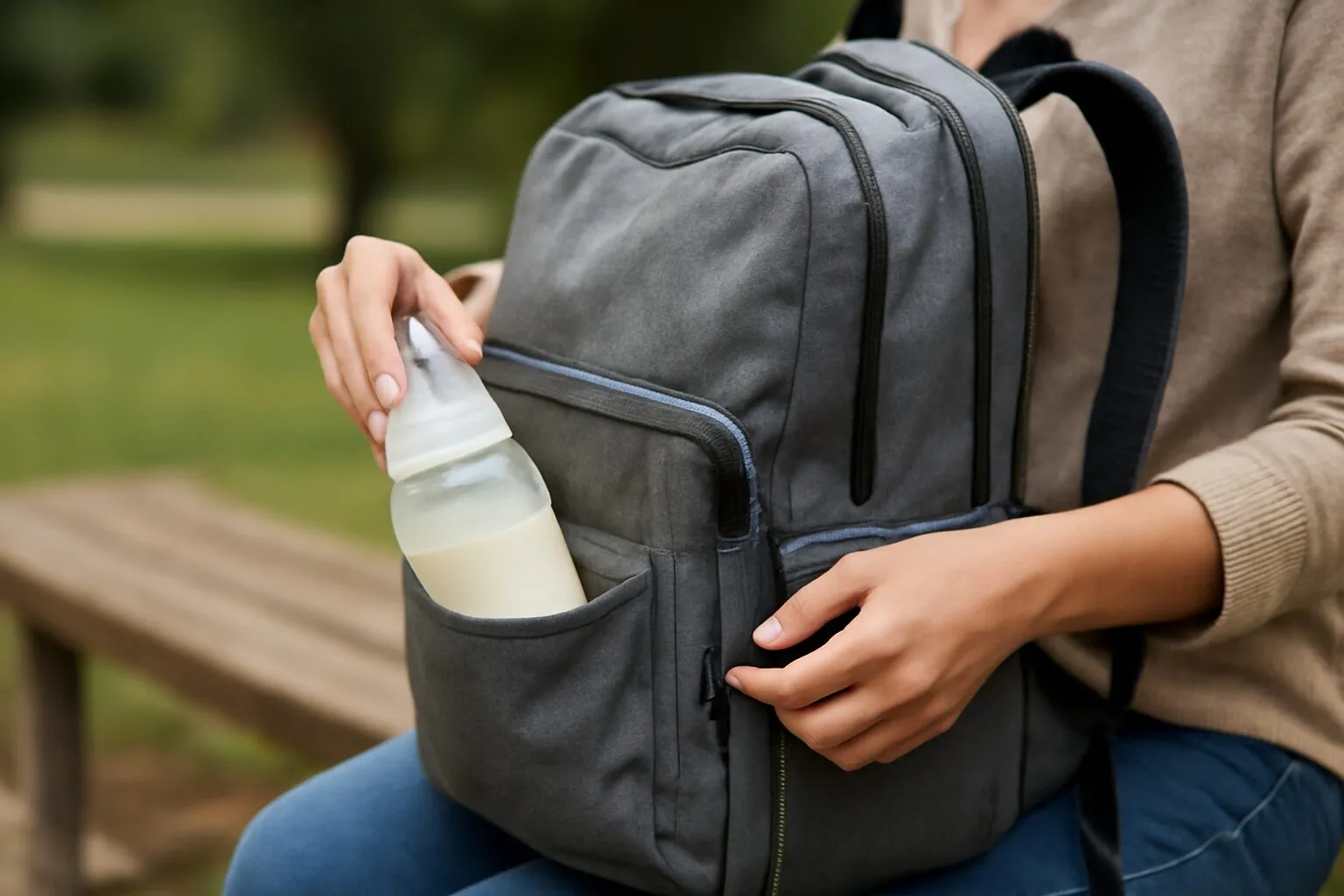
- Bottle pockets: insulated pockets keep bottles cooler; confirm the pocket diameter and depth for larger bottles.
- Wipes pocket: a quick-access, secure wipes pocket (zip or elastic top) speeds one-handed changes.
- Changing pad: included pads are convenient—check pad size and how compactly it folds into the bag.
- Stroller straps: built-in straps or clips add versatility for stroller outings.
- Materials & water resistance: wipeable, water-resistant fabric and strong stitching extend real-world life; check cleaning instructions.
- Empty weight: the bag’s own weight matters—an already-heavy empty bag makes daily carrying harder.
- Internal organization: aim for a balance—too many tiny pockets are hard to use; none at all leaves everything at the bottom.
- Zippers & closures: wide openings and smooth zippers let you reach inside quickly; magnetic closures are fast but can open accidentally in crowds.
- Security pockets: hidden exterior pockets for keys, wallet and phone help when sharing the bag.
- Cleaning & care: machine-washable linings or removable interiors make maintenance faster—check the manufacturer care labels.
Choose by use case
Commuter — comfort and organization
Decide on padded straps, a ventilated back panel and multiple accessible pockets. A medium-to-large backpack with a wide opening (U-zip or clamshell) is ideal; make sure a wipes pocket lets you reach with one hand.
Traveler / weekender — capacity and structure
Decide whether expandable compartments or a convertible design matter more than minimal weight. Look for expandable main space, compression or external carry straps, a solid internal divider or removable organizer, and a changing pad sized for on-the-go changes.
Short outings — access and lightness
Decide to favor a small tote or compact backpack with top access. Avoid heavy hardware; choose an easy-clean lining to deal with quick spills.
Minimalist days — pack only what you need
Decide what “essentials” means for you (one spare outfit, two diapers, wipes, and a compact changing pad) and buy the smallest bag that fits that list. Smaller totes feel less burdensome and encourage packing only essentials.
Make shared use comfortable
When two or more people will carry the bag, test these points before buying. Have each caregiver try the bag loaded with typical contents for a few minutes to spot pressure points.
- Adjustable straps: long-range adjustability fits different torso lengths and shoulder widths.
- Quick-access pockets on both sides: side pockets reachable from either shoulder help both carriers find bottles and phones.
- Top grab handle and neutral styling: a sturdy top handle speeds transfers; neutral colors and an unisex silhouette increase the chance others will carry it.
- Test the handoff: pack the bag how you actually would and have each caregiver wear it briefly to check comfort and access.
Packing and maintenance that save time
- Pack by frequency: keep daily-change essentials (diapers, wipes, diaper cream) in front pockets and less-used items (extra clothes) in the main compartment.
- Use small pouches inside to avoid loose clutter and make swapping bags faster.
- Empty and air-dry the changing pad weekly; wipe the lining after messy outings to prevent stains and odors.
- Avoid overloading shoulder straps—if the packed bag is heavy, choose a backpack to reduce strain.
Common questions
Q: Which style is best for partners who both carry? A convertible bag or a backpack with neutral styling and adjustable straps usually fits both bodies best.
Q: Are tote diaper bags less organized? Some are; pick a tote with internal dividers and secure external pockets to combine quick access with organized storage.
Bottom line
There’s no single perfect diaper bag. Match the form factor to your most frequent outings, confirm a few comfort and organization checks in person, and prioritize the features that reduce friction for whoever uses the bag most often.