A practical, kid-tested plan that helps busy parents finish balanced weeknight dinners in minutes using one shopping trip, a short prep session, make-ahead and freezer tactics, and simple allergy and picky-eater swaps.
Decide two small changes you can try this week: pick two dinners from the plan below and do one 45–90 minute prep session to make weeknight cooking faster. This guide gives a simple meal template you can repeat, a ready-to-use one-week dinner plan with make-ahead and freezer options, quick swaps for allergies and picky eaters, and age-based portion rules you can use tonight.
Quick closing note: start small—plan two dinners this week using the shopping list above, do one prep session, and build from there. Consistency and variety over time will shift eating patterns far more than any single perfect meal.
Make balanced meals without extra stress
Choose a repeatable plate template: a fruit or vegetable, a protein, a whole grain, and a dairy or fortified alternative. That layout covers the major food groups and keeps planning predictable across the week. Perfection isn’t required—consistency matters more than any single perfect meal. Aim for color and variety across the week and keep processed foods and added sugars occasional.
Put balance into practice by deciding one core protein for the week (chicken, beans, fish or tofu) and rotating simple grain and vegetable sides. Use a single shopping list and one batch-prep session (about 45–90 minutes) to cook staples such as roasted vegetables, bulk rice or pasta, poached or shredded chicken, and a versatile sauce. Offer fruits or vegetables at every meal and let kids choose which parts to try—exposure matters more than immediate acceptance.
A one-week family-friendly dinner plan
Pick the nights you need, swap proteins or sides to match your family’s tastes, and rely on the make-ahead tactics below so most dinners finish in 10–30 minutes. Use one shopping trip and one short prep block to reduce nightly cooking.
Sample dinners (swap nights or ingredients as needed)
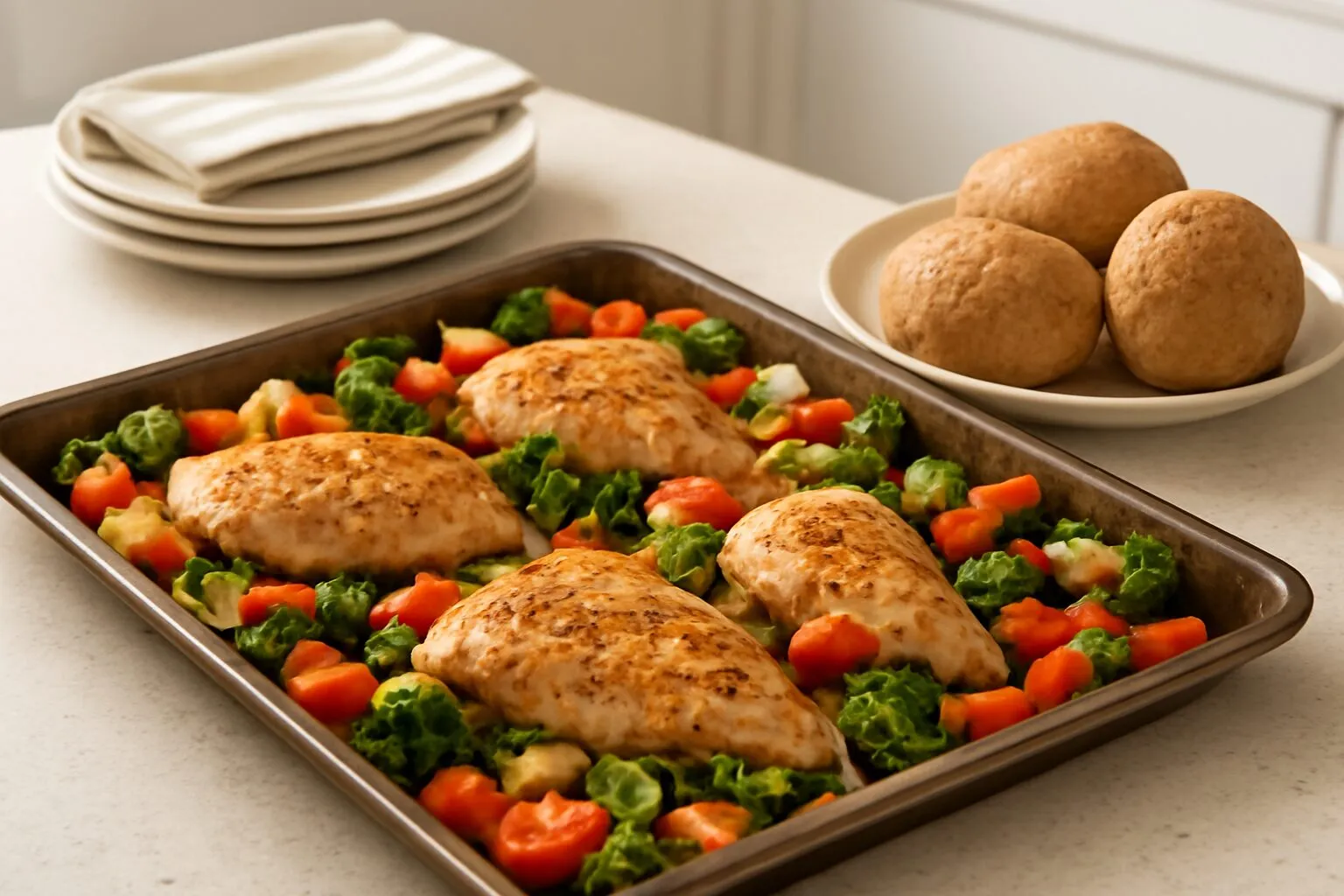
Monday: Sheet-pan chicken, mixed roasted vegetables, whole-grain rolls. Roast an extra batch of chicken for lunches.
Tuesday: Pasta with tomato-cream or pesto sauce, steamed broccoli, grated cheese. Shortcut: store-bought tortellini or whole-grain pasta.
Wednesday: Taco bowls — seasoned ground turkey or beans, brown rice, chopped tomato, avocado, cheese, plain yogurt instead of sour cream.
Thursday: Baked fish or crispy tofu, lemon-parsley rice, steamed green beans. Bake fish or tofu while the rice cooks.
Friday: Homemade or bagel pizzas with a salad. Let kids add toppings to increase willingness to try new vegetables.
Saturday: One-pot chili or bean stew with cornbread; freezes well in portions for future nights.
Sunday: Stir-fry with mixed vegetables and scrambled egg or sliced chicken, served with quick-fry noodles or rice.
Make-ahead and freezer tactics
Shred or poach a double batch of chicken on prep day for salads, tacos, sandwiches and soup during the week. Cook a large pot of rice or quinoa and refrigerate in flat containers for 4–5 days or freeze in portioned bags for longer storage. Prepare concentrated sauces (tomato sauce, mild curry, taco seasoning mix) in jars so dinners come together in 10–15 minutes. Portion extras into family-sized or individual freezer containers so you can go from frozen to oven in under an hour.
Simple shopping list (core items for the week)
Proteins: chicken thighs or breasts, eggs, canned beans (black, chickpea), firm tofu or fish of choice
Produce: carrots, bell peppers, broccoli, salad greens, tomatoes, avocados, apples or bananas
Pantry & grains: brown rice, whole-grain pasta or tortillas, canned tomatoes, low-sodium broth
Dairy/alternatives: milk or fortified plant milk, plain yogurt, shredded cheese
Decide which small swaps you’ll use so you don’t have to reinvent recipes. Simple substitutions and presentation changes lower friction without extra cooking.
Allergy swaps (low-friction)
Dairy: replace milk and yogurt with fortified soy or oat milk and dairy-free yogurt; use nutritional yeast for a cheese-like flavor on pasta.
Nuts: swap tahini or sunflower-seed butter for peanut or almond butters in sauces and sandwiches.
Gluten: choose certified gluten-free pasta or tortillas, or use rice, potatoes and polenta as naturally gluten-free alternatives.
Practical tactics for picky eaters
Serve deconstructed plates so children can pick components separately (protein, grain, veg). Offer mild dips—plain yogurt, ketchup, hummus, or a simple cheese sauce—next to vegetables to encourage tasting. Change textures: roast vegetables for sweetness, steam for softness, or cut into fun shapes. Let kids build their own bowls, tacos or pizzas; involvement raises curiosity and acceptance.
Portion guidance and serving tips
Use easy visual comparisons to scale portions. These are rules of thumb, not individualized medical advice; adjust for activity level and appetite.
Toddlers (1–3 years): Start with 1–2 tablespoons of each new food; a toddler’s plate often fills with small tastes—use a child-sized serving spoon and small cup.
Preschool (3–5 years): Portions roughly equal to a child’s palm for proteins, a cupped hand for grains, and two small handfuls of vegetables or fruit.
School-age (6–12 years): Scale toward an adult portion using the child’s fist as a grain/vegetable measure and the palm for protein; increase portions for active kids.
To feed the family from one pot: serve adult portions on adult plates and put smaller child-sized portions on bowls. Offer seconds if hungry—children often self-regulate better when allowed a second helping after initial exposure.
Serving tips to reduce waste and resistance
Serve new foods alongside a familiar favorite so the meal feels safe.
Use small serving dishes and refill as needed—large plates can make portions seem overwhelming.
Let children help with a small, safe task (stirring, sprinkling cheese). Participation increases interest in tasting.
Common questions from busy parents
What if my child refuses vegetables?
Keep offering without pressure. Serve a small, predictable vegetable portion each meal and pair it with dips or a favored food. Repeated exposure—sometimes many tries—helps acceptance.
How do I keep costs down?
Buy frozen vegetables, use canned beans, choose whole cuts of protein and cook in bulk. Rely on pantry staples like rice and oats. Repurpose leftovers as lunches to reduce waste and stretch your grocery budget.
Is meal planning really worth the time?
Yes. One short planning and prep session per week reduces nightly decision fatigue, lowers last-minute takeout, and makes balanced meals more consistent.
Frequently asked questions
Q: How often should I introduce new foods? A: A few times a week in small portions alongside favorites.
Q: Can I reheat meals safely? A: Yes—cool and refrigerate promptly and reheat until steaming hot. Follow local food-safety guidelines for specific times and temperatures.
A family-first guide with downloadable planners in PDF, Google Sheets and Excel, sample menus for picky eaters and allergy needs, plus quick prep tasks to make a fridge-ready…
A ready weekly menu with a single shopping list and a short batch‑prep plan that covers breakfasts, lunches and dinners. Includes flexible swaps for common diets, freezer shortcuts…
A ready-to-use download pack of printable charts and editable Sheets organized by child age and household setup. Includes printing and accessibility tips, simple customization advice, and a basic…
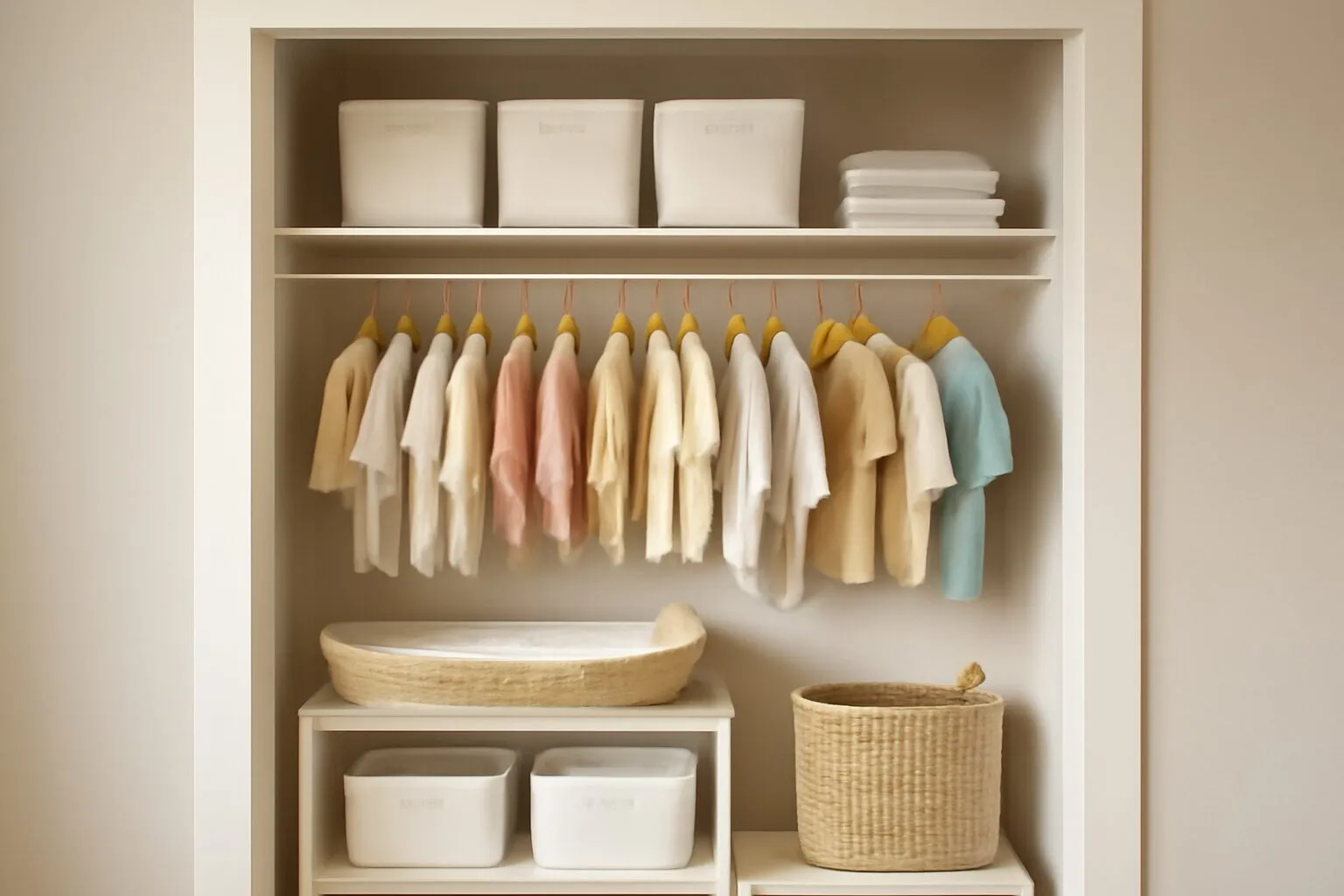
Practical steps to set up and maintain a nursery closet so daily care is faster. Covers measuring, creating an easy-access zone with bins and extra rods, seasonal rotation…
A parent-friendly how-to with plug-in thank-you lines, a short printing and ordering checklist, and clear timing, tone and tracking advice to help busy parents finish notes efficiently and…
A practical collection of baby shower activities emphasizing inclusivity, low‑cost and virtual‑ready options. Includes quick printable plans, accessibility adaptations, and pacing advice so hosts can choose games that…