Preschool age: what the term means and how to use the range
Defines preschool age and lists observable movement, language and social milestones. Includes a short readiness checklist for choosing preschool and advice on when to seek a pediatric evaluation or early‑intervention support.
Decide what you need from this stage: whether you are choosing preschool now, watching development over the next year, or wondering when to ask for professional help. The preschool years—commonly defined as about three to five years—are when children typically make clear gains in movement, language and social play. This guide explains how that age range is used, lists the practical developmental skills to watch for, gives a short readiness checklist parents can use when considering preschool, and describes when and how to get an evaluation if you have concerns.
What people mean by preschool age (3–5 years)
Decide how narrowly you want to define it: in everyday use and in clinical practice the term usually covers roughly three through five years. Pediatric milestone charts and early‑childhood resources group this period together because children commonly acquire similar skills then—hopping, dressing with less help, clearer speech and more complex play are typical markers clinicians point to when they mean “preschool‑age.” Use that range as a practical frame for monitoring progress rather than a strict cutoff.
Typical developmental milestones to watch (3–5 years)
Use these examples to track progress across movement, thinking and social skills. They reflect the kinds of items clinicians list on milestone summaries and are practical to observe at home or in a classroom.
Movement and self‑help
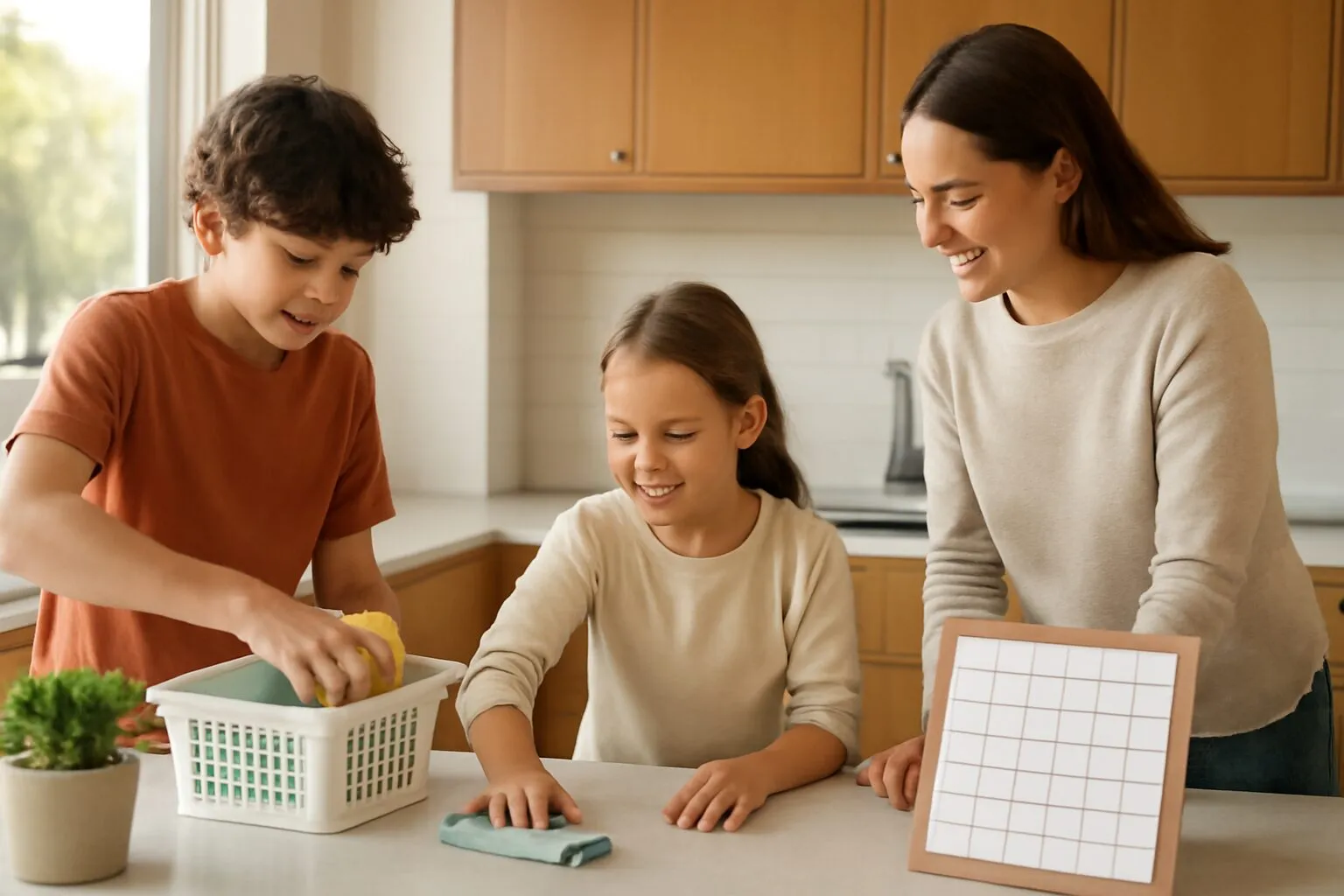
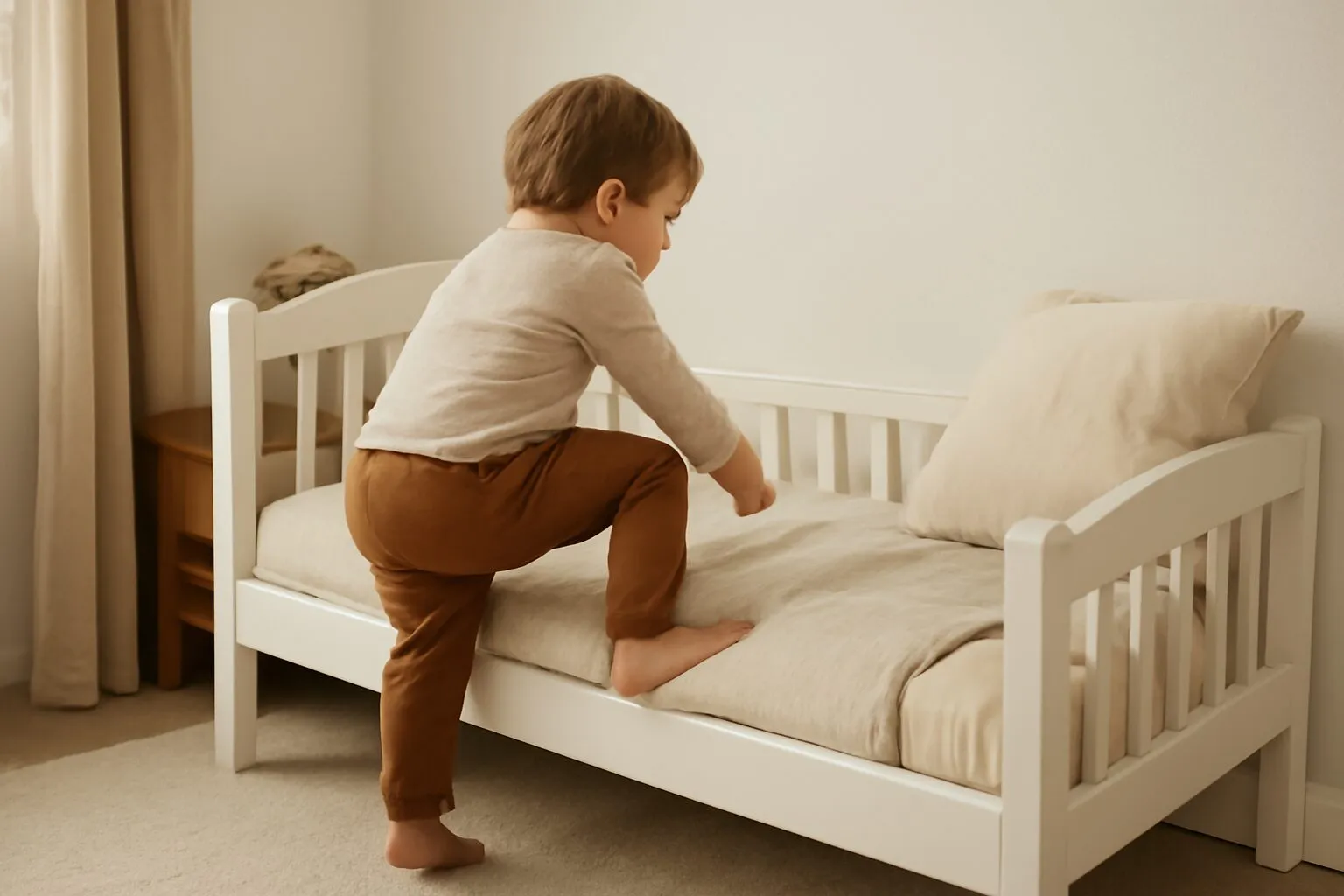
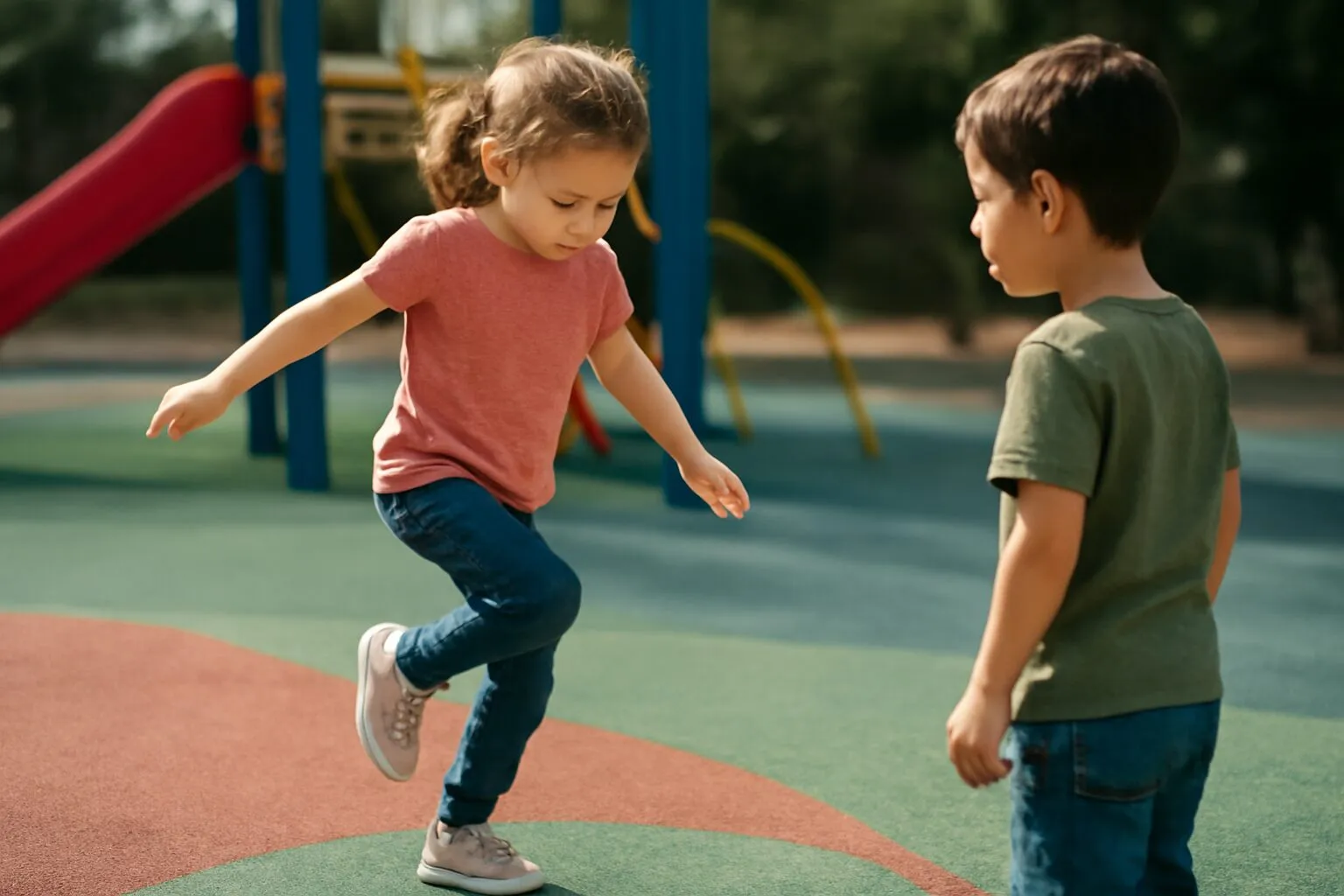
By three to five years children usually improve gross motor skills such as hopping and skipping and refining balance. Fine motor control strengthens: many begin a more mature pencil grip and can manipulate small objects more easily. Self‑care advances: children in this span often try to dress themselves, manage utensils to feed themselves and progress toward independent toileting with reminders.
Language and thinking
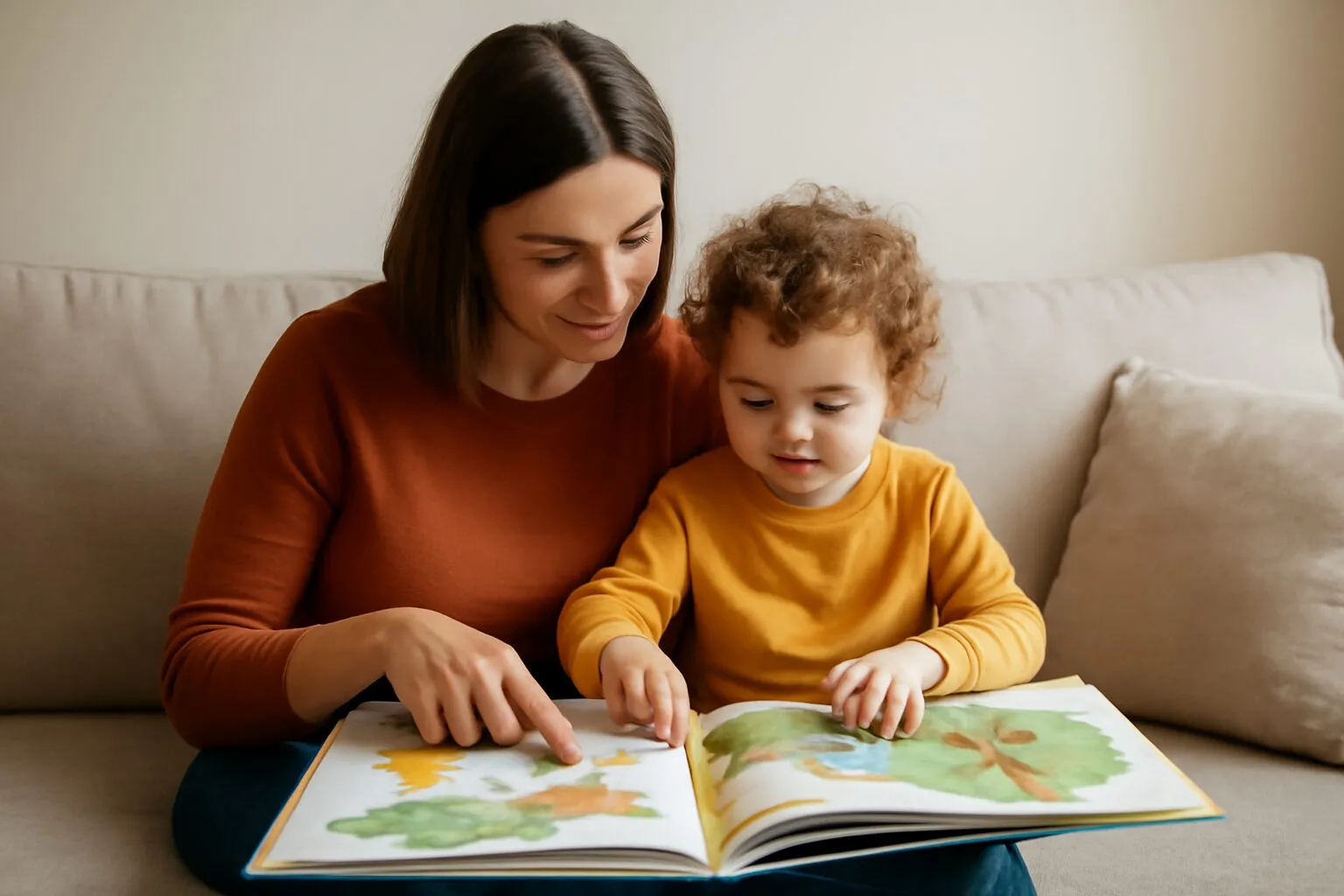
Vocabulary grows quickly; children use more words to express ideas, ask questions, and tell short stories or describe play. Early numeracy ideas appear—counting, recognizing simple patterns—and imaginative play becomes more complex, showing emerging symbolic thought.
Social and emotional
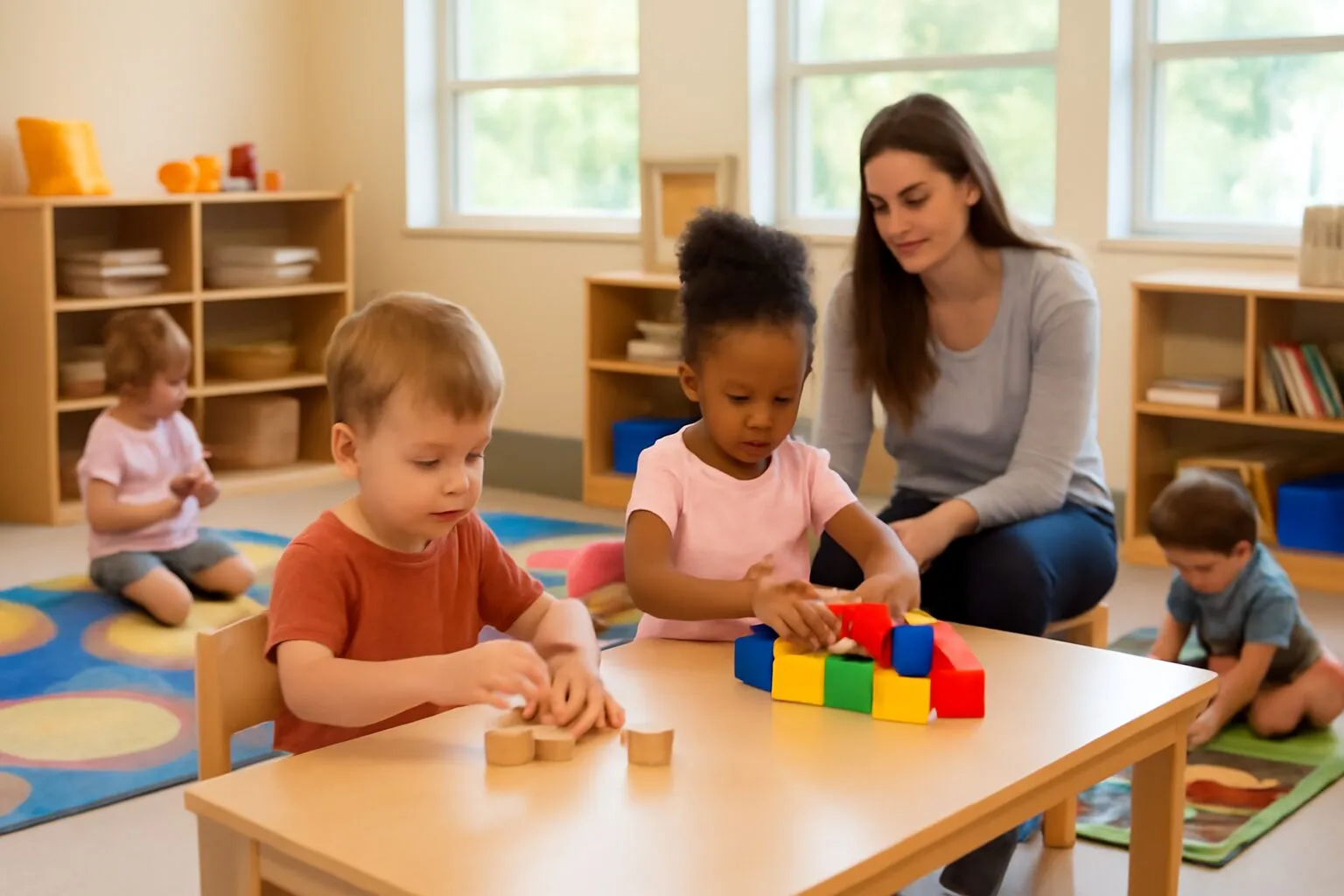
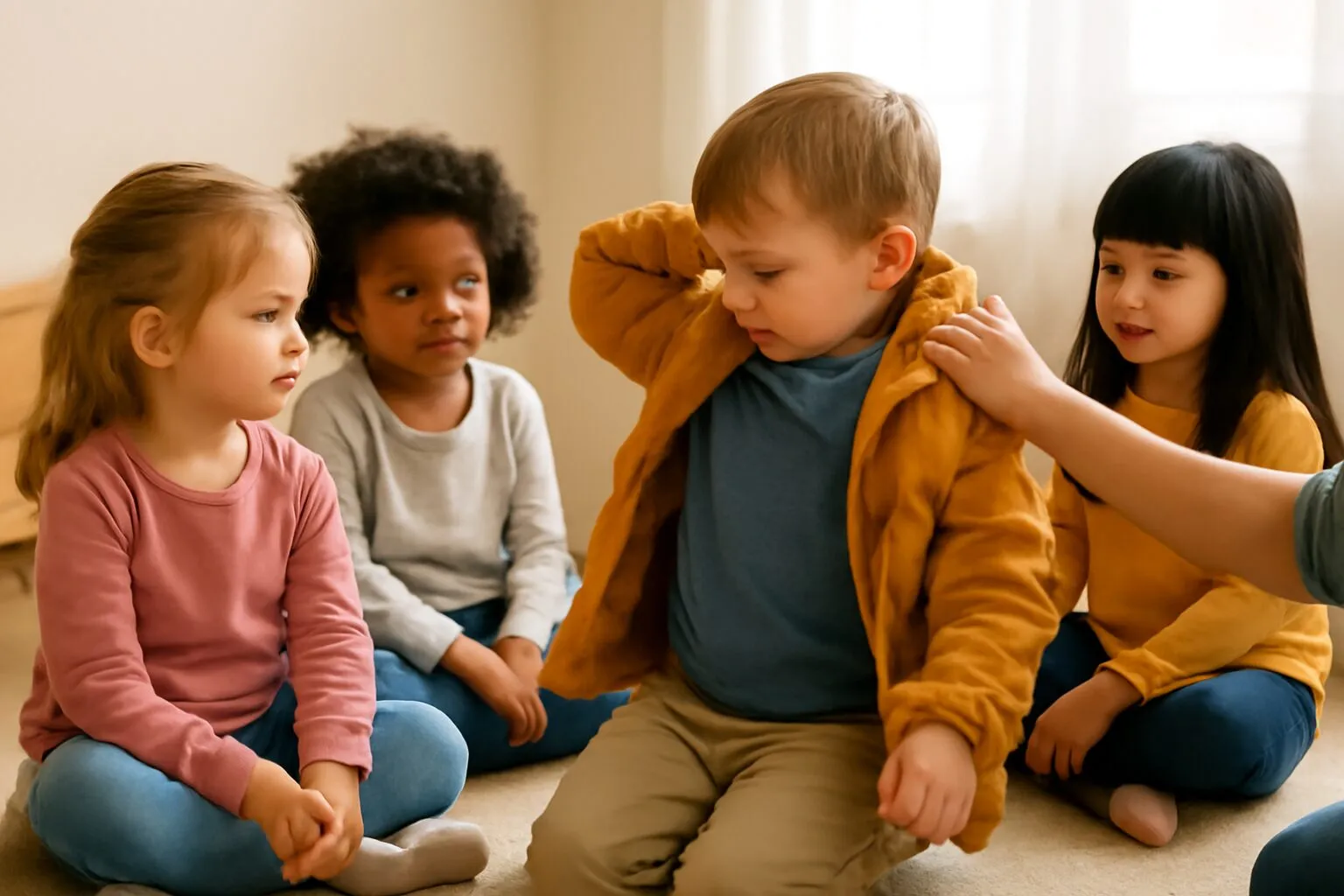
Play shifts from parallel play toward cooperative and pretend play with peers. Children begin to share, take turns in simple games, and show early signs of empathy—comforting others or responding to another child’s feelings. They also become better at following short group routines and expressing needs in ways adults can understand.
Simple readiness checklist for preschool (use to decide)
Use this brief observational checklist when deciding whether to enroll or to talk with a teacher. It is practical—what parents and educators commonly look for—and helps you compare a child’s everyday behavior against typical preschool markers.
- Shows interest in playing or doing activities with other children.
- Can follow brief, simple instructions within a small group.
- Begins to manage basic self‑care (attempts to dress, uses the toilet with reminders, or feeds themselves).
- Communicates needs and basic ideas with growing vocabulary so adults can understand most of what they say.
- Tolerates short separations from primary caregivers in a predictable routine.
If most items are present, your child is likely ready for a typical preschool setting. If only some items are present, a program with smaller groups, a gradual start, or extra teacher support may help.
When to check development with a professional (what to do)
Act early if you see steady differences from expected patterns. Track development from birth through age five and bring up concerns promptly: speak with your child’s pediatrician or a local early‑intervention service to request screening or referral. Common triggers for evaluation include persistent difficulty with speech (being hard to understand or not combining words), poor social interaction (not engaging with peers or responding to others), significant motor delays (trouble with coordination for the child’s age) or self‑care problems that make daily routines very hard.
At a visit, bring concrete examples: what your child can and cannot do, how they compare with peers in the same setting, and how long you have observed the issue. That helps clinicians decide whether brief screening, therapy, or a referral to early‑intervention services is appropriate.
Practical next steps for parents
If you’re choosing a preschool this year, visit classrooms in person, observe daily routines, and ask teachers how they support social skills, handle transitions, and manage separation. Consider a short trial period or a gradual start if your child shows anxiety about being apart from caregivers. If you’re worried about development, document specific examples and bring them to your pediatric visit so the clinician can recommend screening or referral to local early‑intervention programs.
Conclusion
Preschool age typically means about three to five years—a time of rapid gains in motor skills, language and social play. Watch a child’s ability to follow simple group routines, manage basic self‑care, and communicate needs to help decide whether preschool is a good next step. Track milestones over time, and contact your pediatrician or local early‑intervention resources if you have ongoing concerns.
Common questions parents ask
- Do most 3‑year‑olds go to preschool? — Participation varies by family preference, availability and local options; many attend some form of early childhood program, but it is not universal.
- What are the benefits of preschool? — Families often see gains in socialization and routine; program quality and the match with the child shape outcomes.
- When should I seek professional help? — If you notice consistent delays in speech, social engagement, motor skills or self‑care that affect daily life, discuss these observations with your pediatrician or an early‑intervention program.