
Pregnancy symptoms: early signs, trimester changes and when to seek care
Explains common early pregnancy signs, how symptoms often change across trimesters, practical at-home comfort measures and clear red flags that require prompt clinician evaluation. Intended for people tracking possible pregnancy symptoms and preparing for prenatal care.
Use this guide to recognize early signs of pregnancy, track how symptoms commonly change through the three trimesters, learn simple self-care steps you can try at home, and know which symptoms require prompt contact with your clinician.
Notice these common early signs
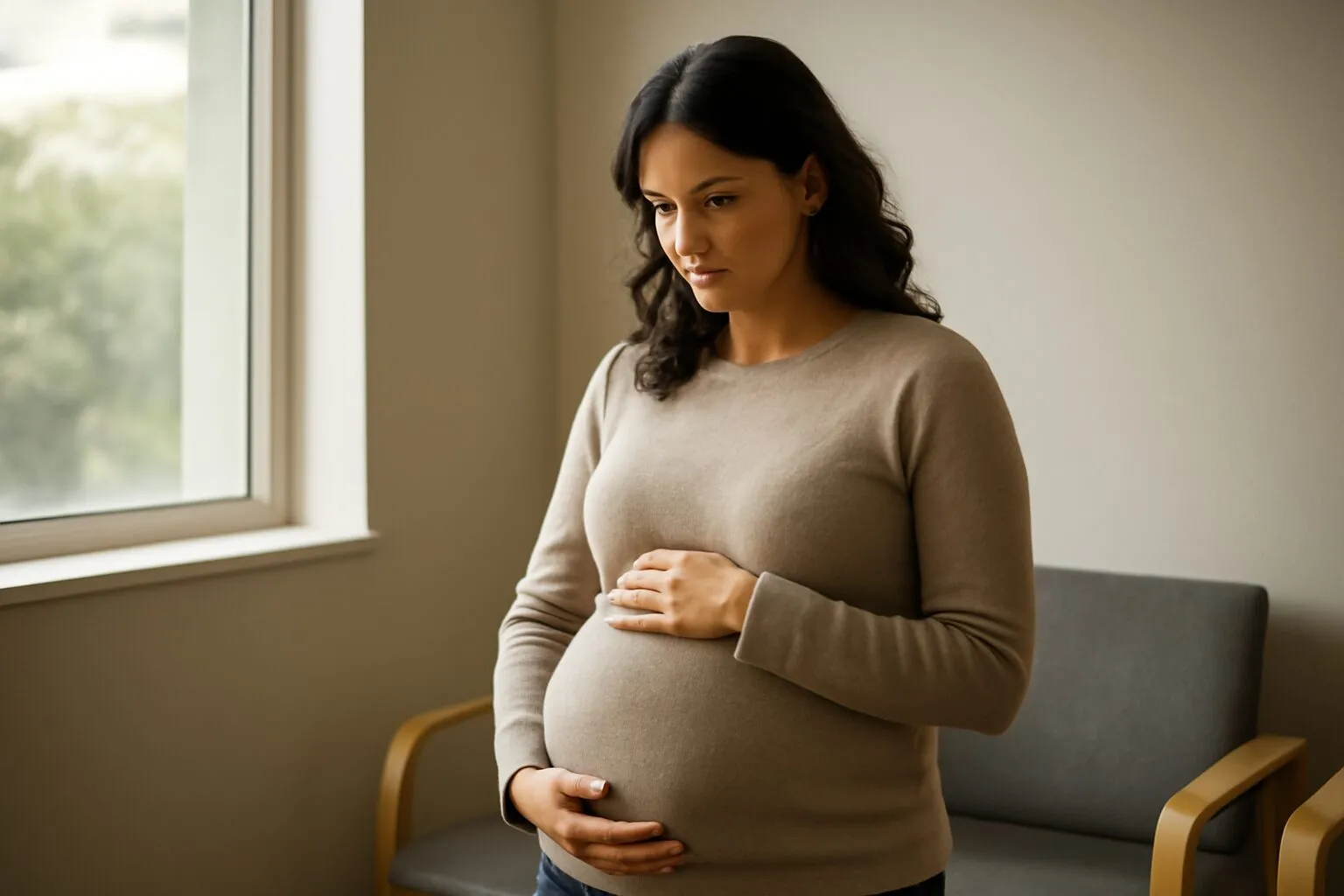
Decide which symptoms you have and how they affect daily life. Many people notice changes early on because reproductive hormones rise quickly: tender or swollen breasts, pronounced fatigue and nausea are frequent. Some experience light spotting or mild cramping around the time the embryo implants; others report heightened smell sensitivity, mood shifts, or needing to urinate more often. Experiences vary widely—some people have many clear symptoms, others have few or none—and that range can still be normal.
Expect this pattern across trimesters (week-by-week framing)
Use the trimester framework to set expectations, knowing individual timing differs. The first trimester (from the first day of your last menstrual period through week 13) is when rapid development and hormonal changes commonly produce the earliest symptoms: breast tenderness or swelling, intense tiredness, nausea (often called morning sickness), occasional light spotting or cramping, increased urination and stronger reactions to odors. The second trimester (about weeks 14–27) is often the period when those early symptoms ease for many people while fetal growth and movement become more obvious. The third trimester (beginning around week 28 and lasting until birth) commonly brings renewed physical strain as the body prepares for labor—increased weight, new or worsening back and pelvic aches, sleep disruption and pelvic pressure. Remember: not everyone follows this course or experiences the same symptoms at the same times.
Contact your clinician for these red flags
If you notice any of the following, seek clinical evaluation right away: persistent or heavy vaginal bleeding; severe, unrelenting abdominal or pelvic pain; a high fever or other clear signs of infection; or extreme nausea and vomiting that prevents you from keeping down fluids. In early pregnancy, severe pain or heavy bleeding can indicate complications such as an ectopic pregnancy or a miscarriage and should be evaluated urgently.
Track symptoms and when to test for pregnancy
Keep a concise daily record so you and your clinician can spot patterns and changes. Note dates, symptom onset or changes, any vaginal bleeding (record color and amount), and whether you can eat and drink normally. Bring that record to appointments or telehealth visits to make discussions more specific. Home pregnancy tests measure human chorionic gonadotropin and are commonly used after a missed period; if a test is unclear or you have concerning symptoms, follow up with your clinician for repeat testing or a clinic visit. Use your prenatal visits to set a care plan and clarify when to seek urgent care.
Quick checklist to record each day:
- Date and gestational week (if known)
- Symptoms (type and severity: nausea, fatigue, breast soreness, mood changes, urinary frequency, etc.)
- Any vaginal bleeding or spotting (color, amount, duration)
- Ability to eat and drink; episodes of vomiting
- Fever, signs of infection, or severe pain
Practical self-care you can try now
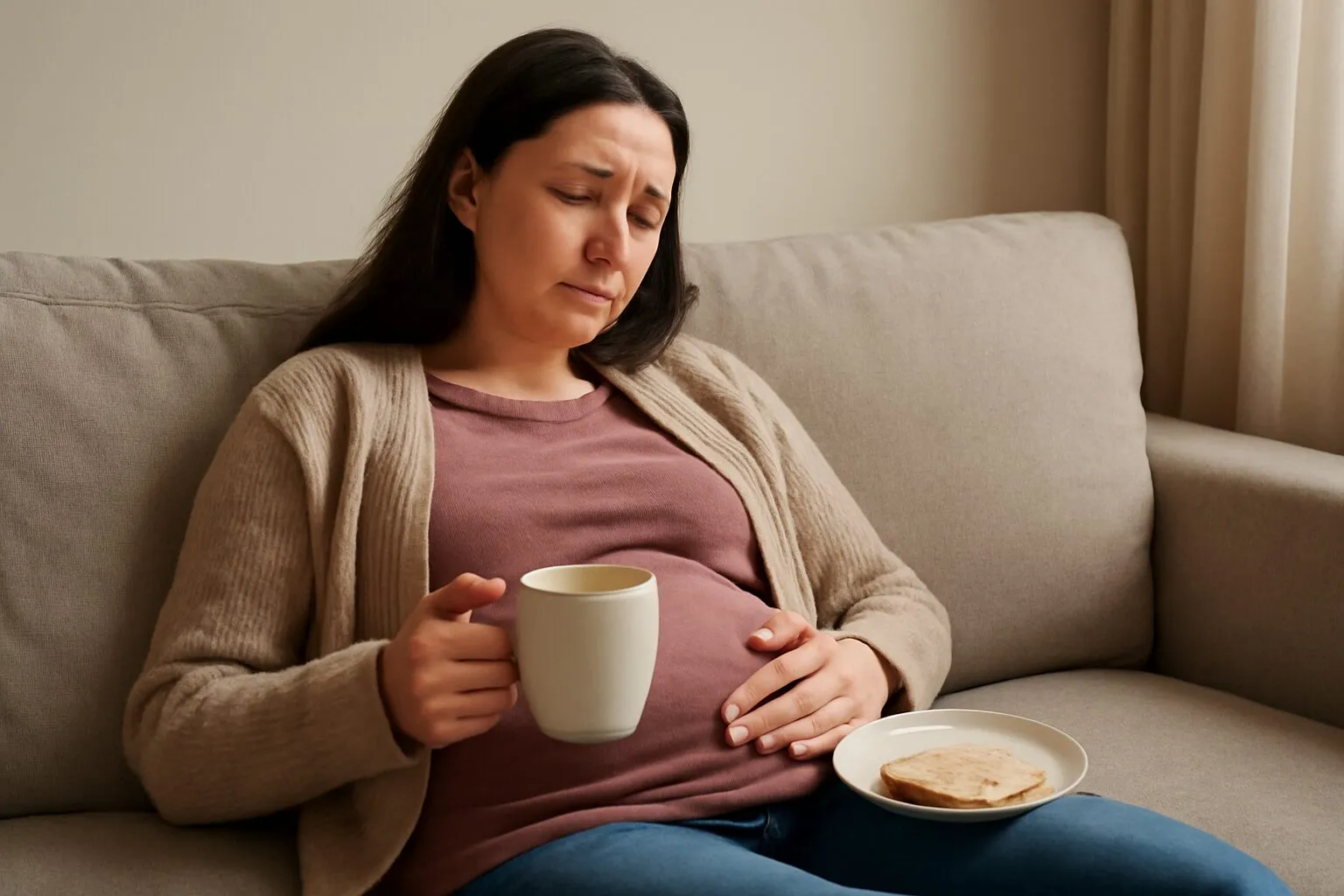
Begin by choosing small, specific adjustments that match the symptom. For nausea, aim for small, frequent meals rather than large ones, avoid strong smells that trigger queasiness, and rest between activities. For fatigue, pace your day: prioritize essential tasks, allow short naps when needed, and protect time for restorative sleep. For breast tenderness, wear a supportive bra and avoid tight clothing; shifting how you sleep or adjusting undergarments often brings quick relief. These behavioral measures are conservative first steps; medications and other treatments are available for more severe symptoms but should be reviewed with your prenatal care team to confirm safety and appropriateness.
FAQs parents commonly ask
Why do some people not get morning sickness? Symptom intensity varies. Differences in hormonal response, prior pregnancies and individual sensitivity mean some people have little or no nausea; not having nausea does not automatically indicate a problem.
When should I test for pregnancy? Many people take a home pregnancy test after a missed period. Home tests detect human chorionic gonadotropin; if results are unclear or you have symptoms that worry you, seek follow-up testing or clinical evaluation.
What should I do about light spotting or cramping? Light spotting or mild cramping can occur in early pregnancy. Keep a close record of bleeding (color and amount) and contact your clinician if bleeding becomes heavier or if pain is severe—those changes warrant prompt assessment.
Next steps
Track symptoms so you can describe them clearly to your care team, try simple self-care measures for comfort, and contact your clinician immediately for any red-flag signs such as heavy bleeding, severe pain, persistent vomiting or fever. Your prenatal provider will interpret symptoms alongside exams and tests and guide safe management as pregnancy progresses.
Note
This article shares general information about common pregnancy symptoms and warning signs. It does not replace individualized medical advice; contact your prenatal care provider with questions about your specific situation.