
Morning routine checklist for parents: copy‑ready, age‑specific charts
Practical morning routine checklists for parents, with age‑appropriate step lists, sample school‑start schedules, a short night‑before reset and quick troubleshooting to reduce nagging and calm weekday mornings for toddlers through teens.
Use this checklist to make school and weekday mornings calmer: do a short night‑before reset, post a simple visible order for the morning, and give each child a checklist they can complete themselves.

What to decide first and the basic design rules
Decide how many steps you need and where the chart will live. A good checklist reduces decisions, replaces repeated reminders, and highlights small friction points you can remove. Follow these rules when you build or print a chart so it actually helps.
- Fixed order: Put steps in the exact sequence they happen and keep that order every day. Completing one step should naturally lead to the next.
- Keep it short: Aim for 4–8 steps depending on age; young children need fewer, clearer steps.
- Put it where the routine happens: Hang the checklist on the bedroom door, bathroom mirror, or entry bench so it’s a visible cue. For pre‑readers use pictures or photos.
- Move decisions to the night before: Ask kids to choose outfits, pack a bag, or pick lunch the evening prior to remove morning stalls.
- Build buffer time: Add 5–15 minutes of unscheduled time before departure to absorb spills, missing shoes, or last‑minute bathroom trips.
Keep the language on the chart short and concrete (“Potty,” “Get dressed,” “Pack bag”). If you want a motivating finish, use an immediate, small reward for completing the checklist—stickers, a star, or an extra minute of quiet time work best.
How to choose a checklist by age
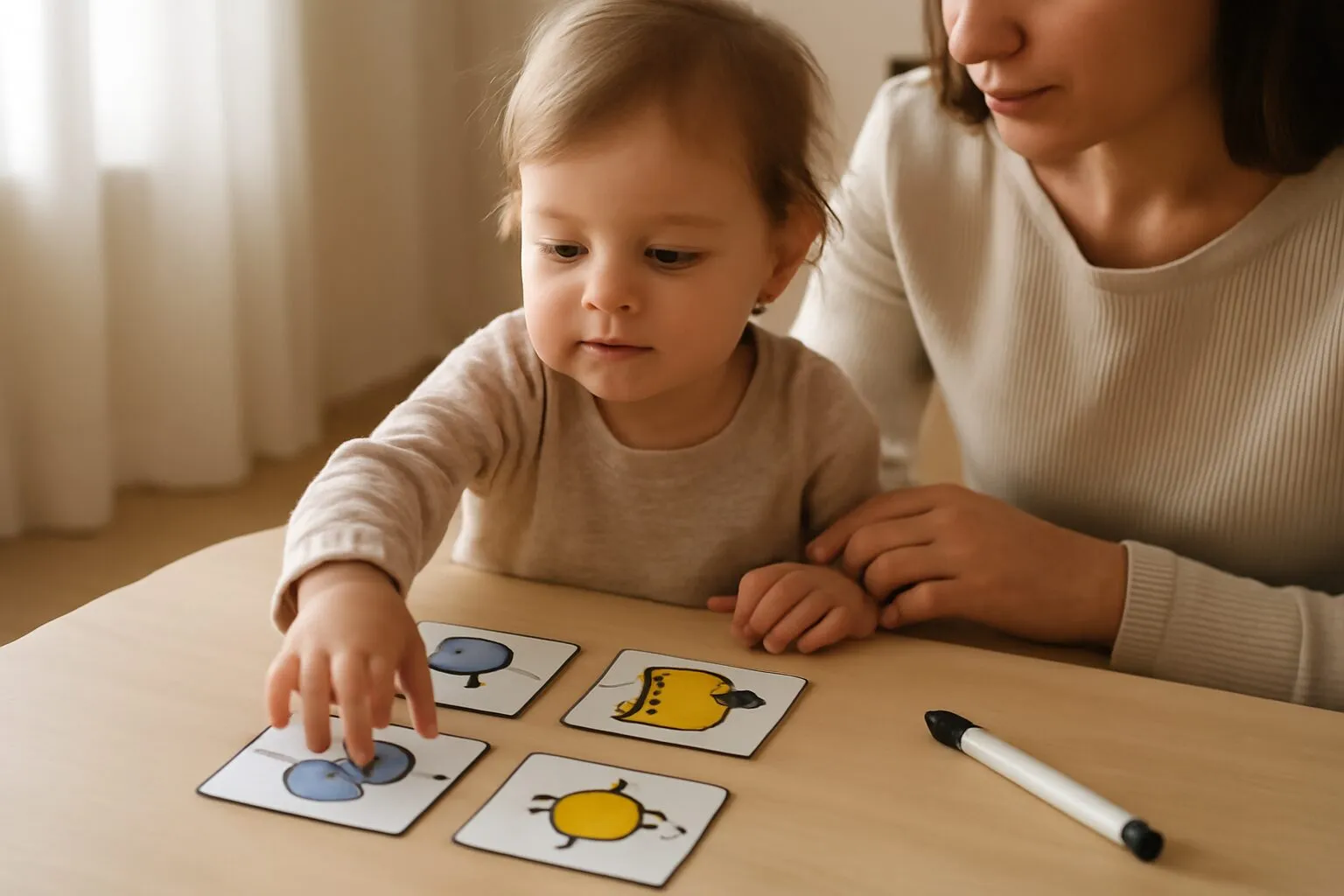
Decide whether the child needs pictures, words, or both, then pick the matching sequence below. These step lists include realistic timing; treat timings as estimates and adjust after you time a typical morning. Print, laminate and use dry‑erase marks or stickers for daily tracking.
Toddlers (≈ 2–3 years)
What to do now: make a 3–5 step chart with large icons and be present to help. Typical total time: 30–45 minutes with adult help.
- Wake up / gentle greeting
- Potty or diaper change
- Get dressed (offer one of two laid‑out outfits)
- Wash hands (short song), brush teeth (parent helps)
- Breakfast
- Shoes on / coat ready
Tip: present only two outfit choices—this increases cooperation without adding decision time.
Preschool (≈ 3–5 years)
What to do now: use 4–6 picture or mixed picture+word steps; expect 35–50 minutes depending on help needed.
- Wake up and get out of bed
- Bathroom & wash hands
- Get dressed (laid out night before)
- Brush teeth and hair (separate icons)
- Breakfast
- Backpack check / shoes on
Make the chart tactile: adding a magnet or sticker to each finished step is satisfying and builds independence.
Elementary (≈ 6–11 years)
What to do now: give a 6–8 step written list and place it where the child moves (kitchen or hallway). Typical total time: 30–45 minutes if night‑before prep is done.
- Alarm off / out of bed
- Bathroom & wash
- Get dressed
- Brush teeth & hair
- Breakfast
- Pack lunch & homework folder
- Shoes, coat, water bottle
- At ready spot by departure time
Give visible ownership: a dedicated “ready spot” signals completion and reduces last‑minute searches. If something is missing, teach a short recovery script such as “Check your bag, then show me.” so the child knows the quick steps to fix it.
Tweens & teens (≈ 12+ years)
What to do now: use a short written checklist or a digital reminder tied to an alarm. Typical total time: 25–40 minutes depending on shower and device habits.
- Wake by target time / alarm
- Shower or hygiene
- Get dressed
- Breakfast or quick eat
- Charge devices / pack charger
- Pack homework, instruments, sports gear
- Leave by departure time
For older kids, the biggest wins come from the night before: place everything in the launch zone and set alarms. Let consequences be natural (missed free time) rather than punitive when routines slip.
Sample school‑start schedules to copy
Decide which sample matches your school time and copy it to a printable. These assume night‑before prep is done—set alarms by working backwards from the departure time.
Early departure — leave by 7:45 AM
- 6:30 — Wake
- 6:30–6:40 — Bathroom & wash
- 6:40–6:50 — Get dressed
- 6:50–7:05 — Hair & teeth
- 7:05–7:25 — Breakfast
- 7:25–7:35 — Backpack check & shoes
- 7:35–7:45 — Buffer / calm time
Later start — leave by 8:30 AM
- 7:00 — Wake
- 7:00–7:07 — Bathroom
- 7:07–7:20 — Get dressed & hair
- 7:20–7:40 — Breakfast
- 7:40–7:50 — Teeth & pack
- 7:50–8:10 — Buffer / quiet time
- 8:10 — Leave
Troubleshooting and behavior tips — what to try next
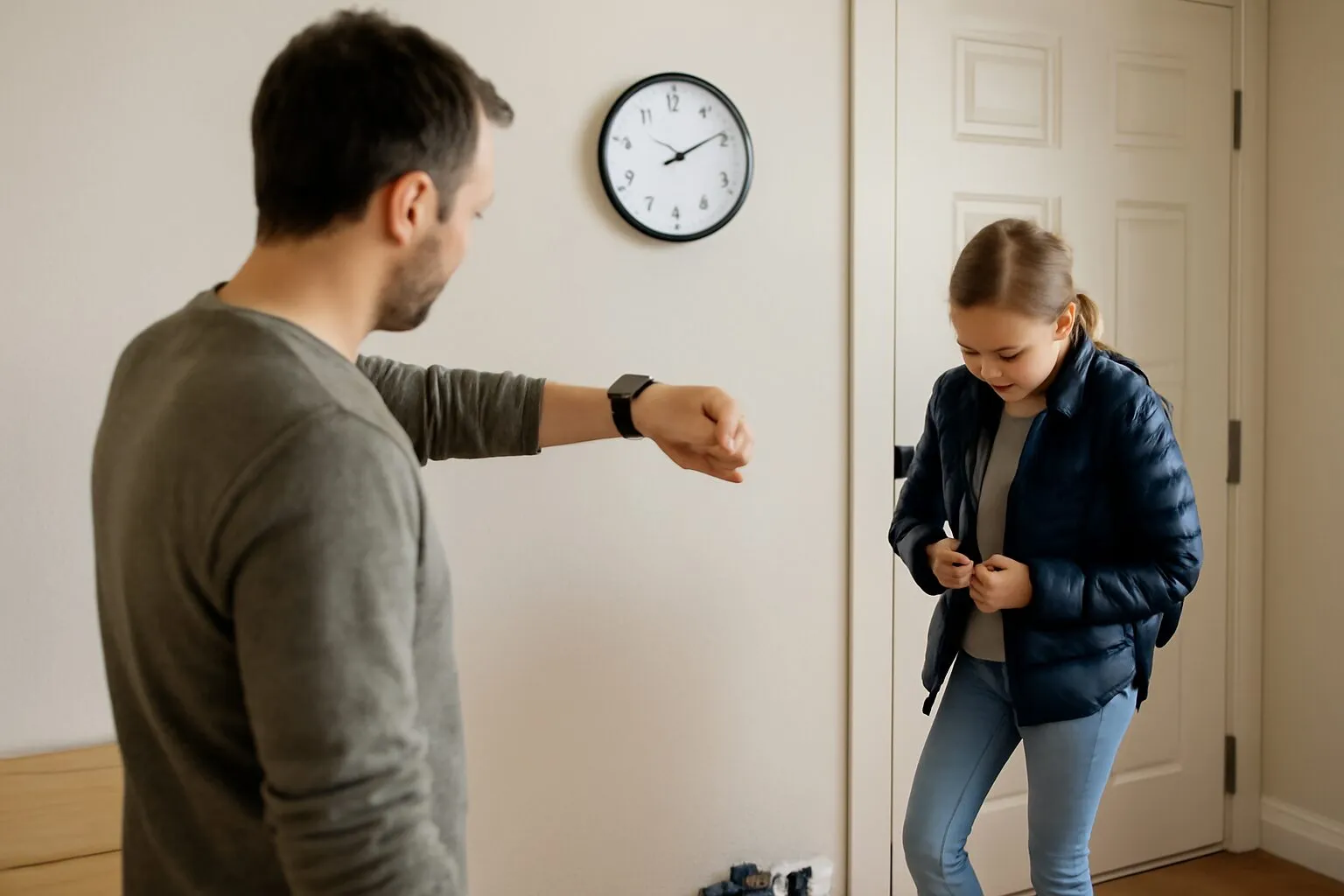
When mornings stall, try these quick fixes before escalating. Use the checklist as the authority so you stop nagging and start pointing: give one short reminder and then point to the chart.
- If a step is always missed, move it to the night before (clothes, lunch, permission slips) or break it into a micro‑step with its own cue.
- Prefer immediate feedback: stickers or a quick token for each finished step beat rewards promised later.
- For children with attention or sensory differences, reduce steps, use visual timers for specific tasks, and build a brief sensory regulation break (movement or quiet) into the buffer time.
Make a printable checklist in 10 minutes
- Choose 4–8 steps from the age lists above that match your child.
- Decide the format: icons for pre‑readers, words for readers, or both.
- Print on one page, laminate, and add dry‑erase check boxes or magnetic cards.
- Place the chart where the routine happens and use it consistently for two weeks before changing anything.
Small consistency wins: the first week is often slow, but after two to three weeks the sequence tends to become automatic for many children.
When a checklist isn’t enough
If consistent use for several weeks doesn’t help, check bedtime and total sleep first, then the night‑before launch routine. If resistance is extreme or accompanied by severe anxiety, meltdowns, or safety concerns, consult a clinician for tailored support.
Start tonight: pick an age‑appropriate checklist above, print or draw it, and do the 10‑minute night‑before reset (pack bags, lay out clothes, set the lunch plan). That single habit often changes the whole morning.