Crib bumpers: What they are, current U.S. rules and safer alternatives
Explains what crib bumpers are, summarizes U.S. legal and pediatric safety guidance, and lists lower-risk nursery styling and product alternatives so caregivers can keep an infant's sleep area free of soft, padded items.
Introduction
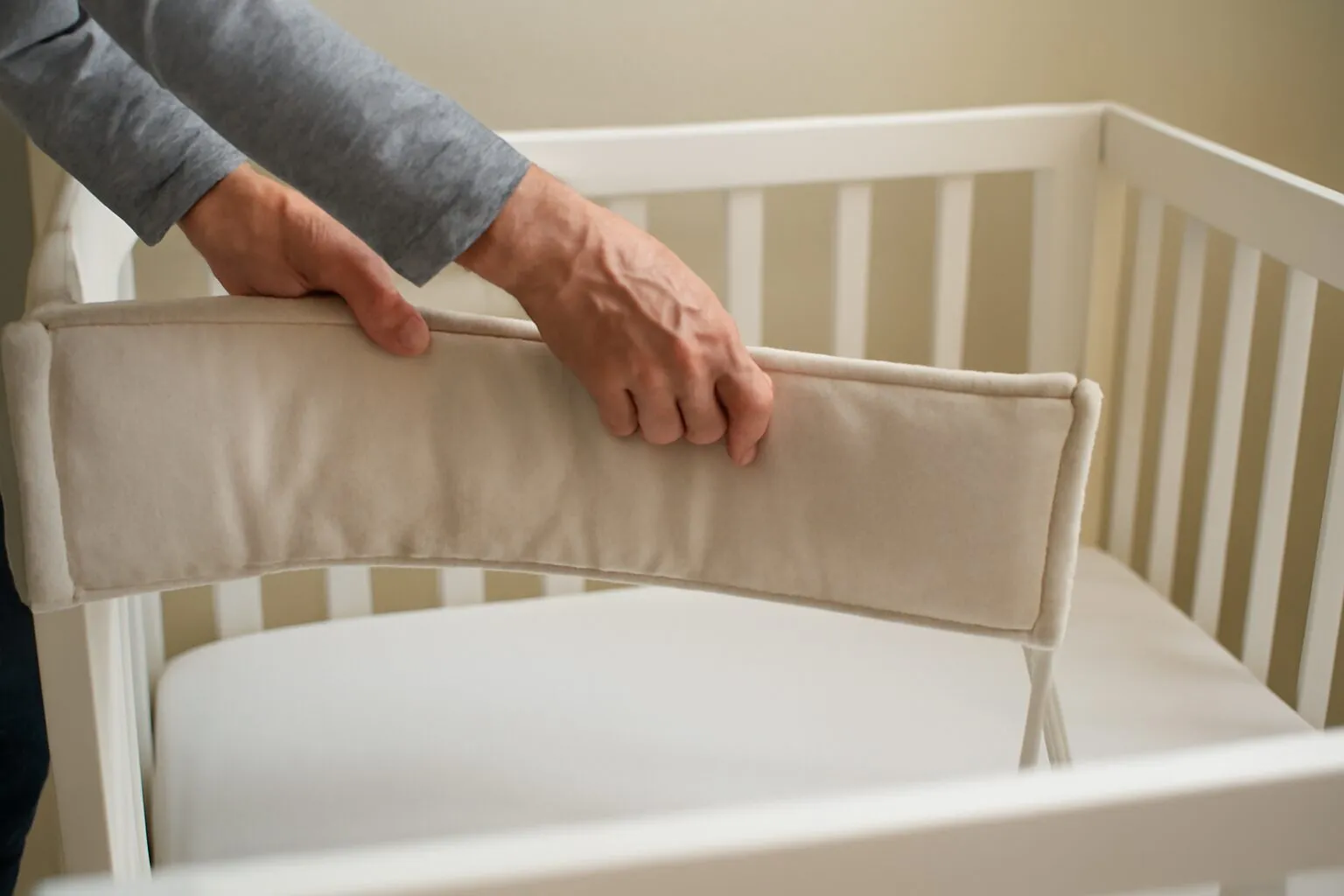
Decide how much risk you are willing to accept in your infant’s sleep space and what you want a bumper to accomplish. Crib bumpers are products that line a crib’s interior to cushion impacts or close gaps between slats; parents buy them to reduce drafts, prevent limbs from catching, or complete a nursery look. This article explains what crib bumpers are, summarizes current U.S. rules and safety guidance, and offers practical, lower‑risk ways to style a nursery without putting soft items in an infant’s sleep area.
What a crib bumper is and why parents search for them
Decide whether the benefits you expect from a bumper are worth the safety tradeoffs. A crib bumper is any item intended to line the inside of a crib to cushion contact or block openings between slats. Common reasons parents look for bumpers include cutting drafts, protecting a baby’s head, and preventing arms or legs from getting caught. Those uses, however, put padded material inside the sleep environment, which safety authorities have increasingly treated as hazardous.
Know the current U.S. rules and recalls before you buy or keep using a bumper
If you are buying, using, or disposing of a bumper, follow the federal guidance. Recent federal legislation restricts padded bumpers: the Consumer Product Safety Act classifies padded crib bumpers, vinyl bumper guards, and similar padded slat covers as banned hazardous products, and the ban applies regardless of when the item was manufactured. Regulators have also issued warnings and enforcement actions for products that violate the ban; for example, the CPSC has warned consumers to stop using certain lines of padded bumpers sold online because they violated the federal ban and posed suffocation risks.
Follow pediatric and regulator guidance on hazards
If you want to follow expert advice, keep the sleep area free of soft objects. Pediatric organizations such as the American Academy of Pediatrics recommend that cribs be free of bumper pads and other attachments. Federal reviews that informed the statutory ban examined decades of incident data and used that record to distinguish different product types; regulatory summaries note that the statute excludes non‑padded mesh liners from the statutory definition of a “crib bumper,” a distinction driven by the agencies’ review of mesh product safety. Even where a mesh liner is not covered by the ban, major pediatric guidance continues to advise against placing soft items in an infant’s sleeping space.
Safer alternatives and styling choices that avoid adding risk
Decide which of these lower‑risk options meets your needs for safety and appearance. If your aim is safe sleep plus a styled nursery, keep the crib’s mattress area minimal and handle decorative goals outside the sleep surface.
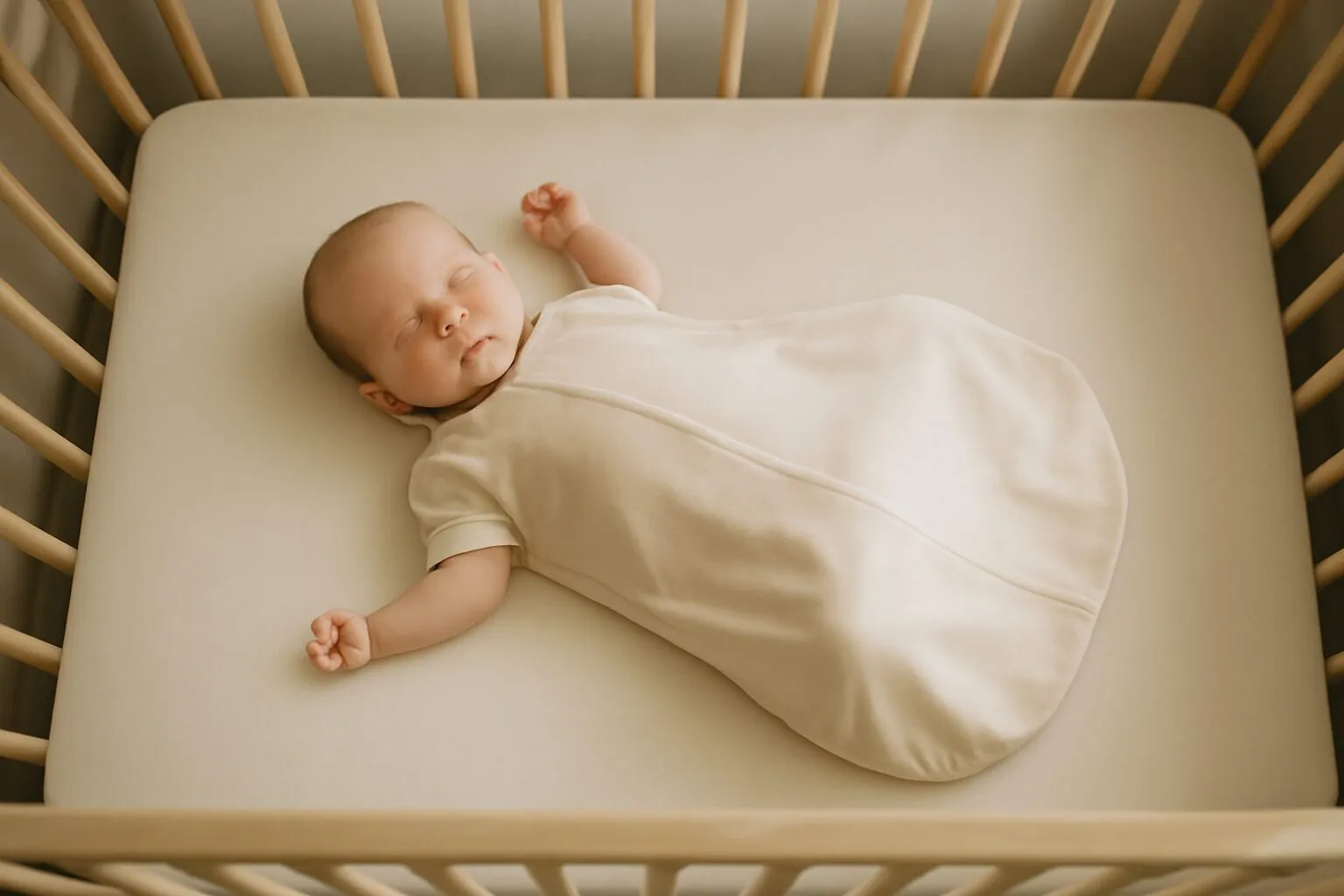
- For sleep: use only a firm, properly sized mattress and a fitted sheet. Pediatric safety guidance is clear that nothing else belongs in the crib for sleep.
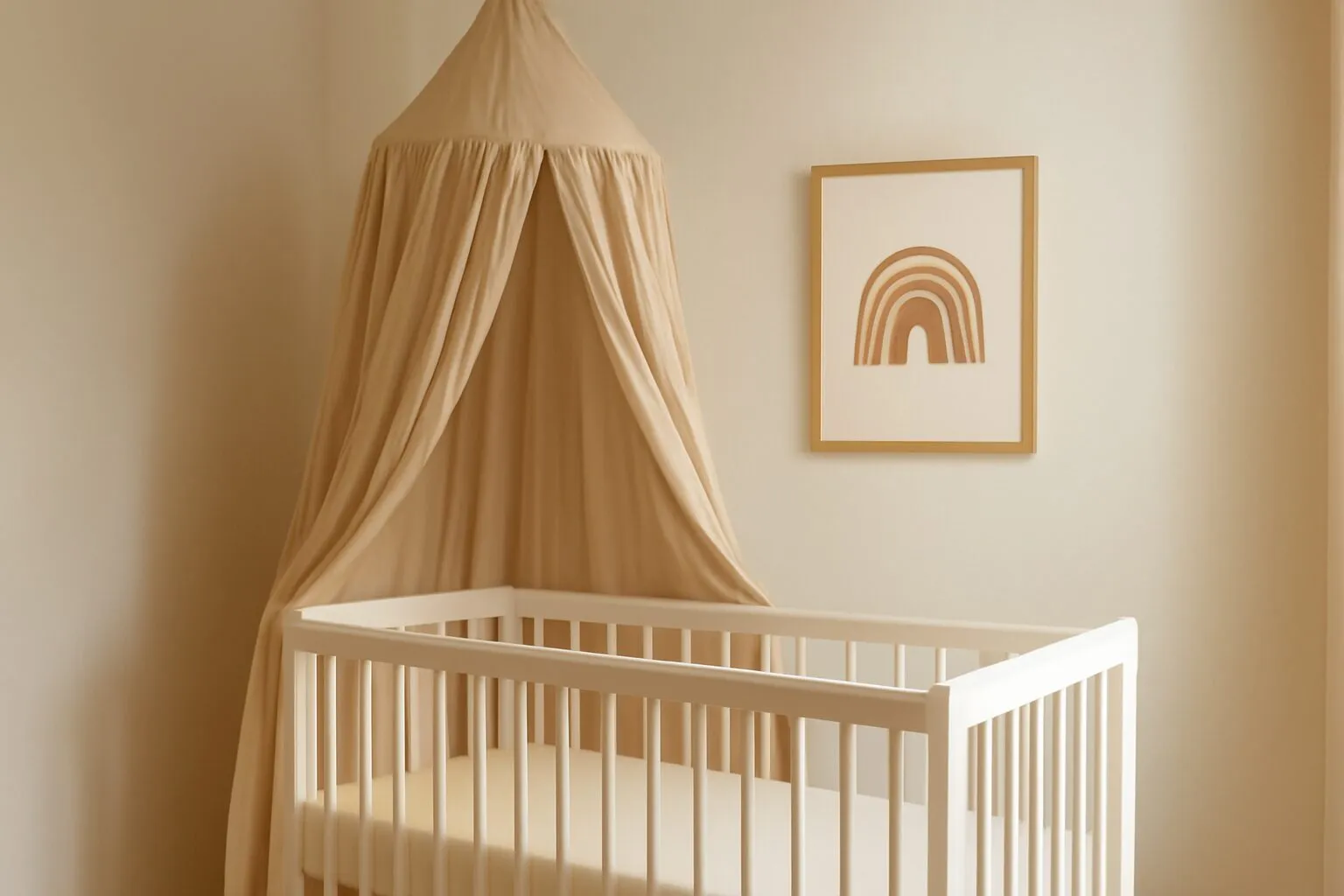
- For aesthetics: place a decorative canopy, wall art, or a headboard outside the crib where the baby cannot reach. Use coordinated textiles on changing tables, shelving, or a crib skirt that does not rise into the mattress area to achieve a pulled‑together look without adding padded material to the sleep surface.
- For supervised contact: if you want a softer surface while watching the baby, use a breathable play mat or supervised padding outside of sleep times; supervised use while the baby is awake is different from leaving soft items in the crib overnight.
- About mesh liners: some parents consider mesh crib liners marketed as “breathable”. Although federal summaries exclude non‑padded mesh liners from the statutory ban, pediatric experts still recommend keeping soft or loose items out of the sleep area. If you choose a mesh product for awake, supervised uses, follow the manufacturer’s instructions and current regulatory guidance, and do not leave it in the crib for unsupervised sleep.
If you already own a padded bumper: steps to take now
Decide to remove or stop using a padded bumper in the sleep space immediately. For products subject to the federal ban, regulators advise discontinuing use and following any CPSC guidance about remedies, refunds, or recalls. If you cannot determine whether a product is a banned padded bumper or an excluded mesh liner, check the label and recall notices, and remove soft items from the sleep area until you confirm safety and compliance.
Quick shopping checklist and red flags
Use this short checklist when buying nursery items; prioritize mattress fit and clarity from sellers:
- Priority: firm mattress that fits the crib with a single fitted sheet for sleep.
- Red flags: products marketed to cushion the crib interior, padded strips that attach to slats, vinyl guards advertised to block openings — these types are described in statutory summaries as banned.
- Seller behavior: avoid vendors who fail to provide clear labeling, ignore regulatory warnings, or market the item ambiguously for overnight sleep.
- For decorative or supervised items: verify marketing language that explicitly restricts use to supervised, awake periods and follow all manufacturer instructions.
Conclusion
Decide to prioritize safe sleep: the strongest and simplest guidance from pediatric experts and recent U.S. law is to keep an infant’s sleep area free of soft bumpers and other loose bedding. A firm mattress with a fitted sheet, and a baby sleep sack, plus decorative choices kept outside the mattress area, gives the safest baseline while still allowing a styled nursery.
Frequently asked questions
Are mesh crib liners legal and safe?
Decide based on both legal and medical guidance. Regulatory summaries indicate non‑padded mesh liners are excluded from the statutory definition of a banned bumper, but major pediatric organizations still advise that nothing soft be in an infant’s sleep area. Legal exclusion does not equal endorsement by pediatric experts.
What should I do if I see a recall or CPSC warning for a bumper I bought?
Follow the CPSC instructions in the warning or recall: stop using the product for infant sleep and contact the seller or manufacturer for the remedy described in the notice. If the seller fails to respond, follow the recall’s specific disposal or remedy instructions and consider disposing of the product so it cannot be used for overnight sleep.