
Quick, repeatable home activities for early readers with short how‑tos
A compact collection of at‑home practices that help caregivers boost early reading skills through short, repeatable play and shared reading; includes ready prompts and quick tweaks for different ages.
Decide on two to three short activities you can repeat across the week, then match time and materials to your child: 5–15 minutes for toddlers and preschoolers, 15–25 minutes (split as needed) for kindergarten and early elementary. Use what you already have—paper, a pencil, sticky notes, a small bag or container, letter magnets or DIY letter cards, and a few picture books—and scaffold by modeling the task, offering simpler choices for beginners and harder ones for older children. When a child makes an error, turn it into a question to explore—”What else could that sound be?”.

Quick setup and materials
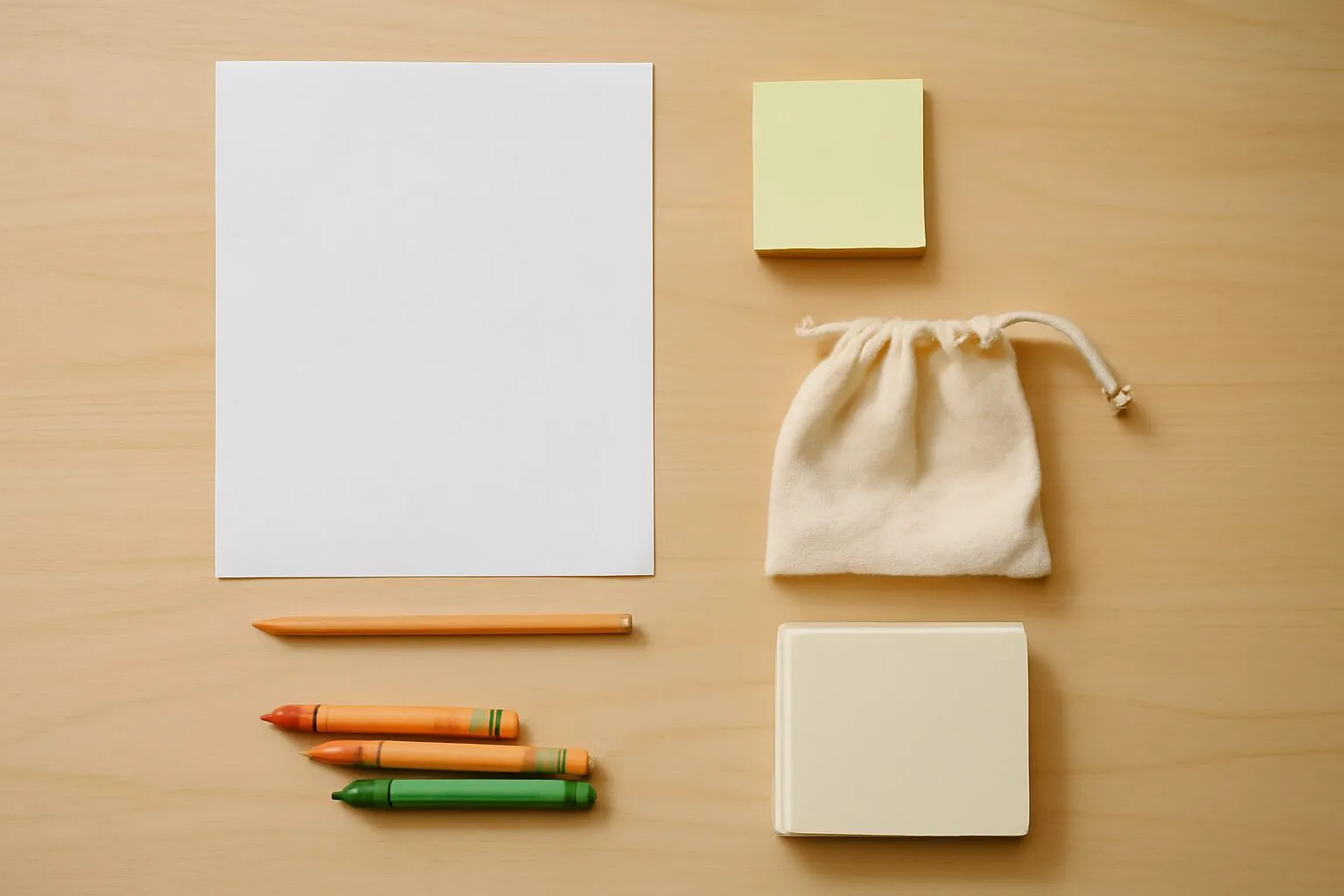
Pick 2–3 activities to rotate each week. Short, frequent practice builds skills faster than occasional long sessions: daily 5–10 minute interactions or three 15–20 minute blocks per week are effective. Keep this short checklist handy: paper and pencil, index cards or sticky notes, a small container or bag, letter magnets (or homemade letter cards), and a few favorite picture books. If you want printable cards, copy the brief prompts under the “Printable activity card text” heading and cut them into index‑card sized prompts.
Core activities by age group
Babies and young toddlers (0–2 years): what to do and why
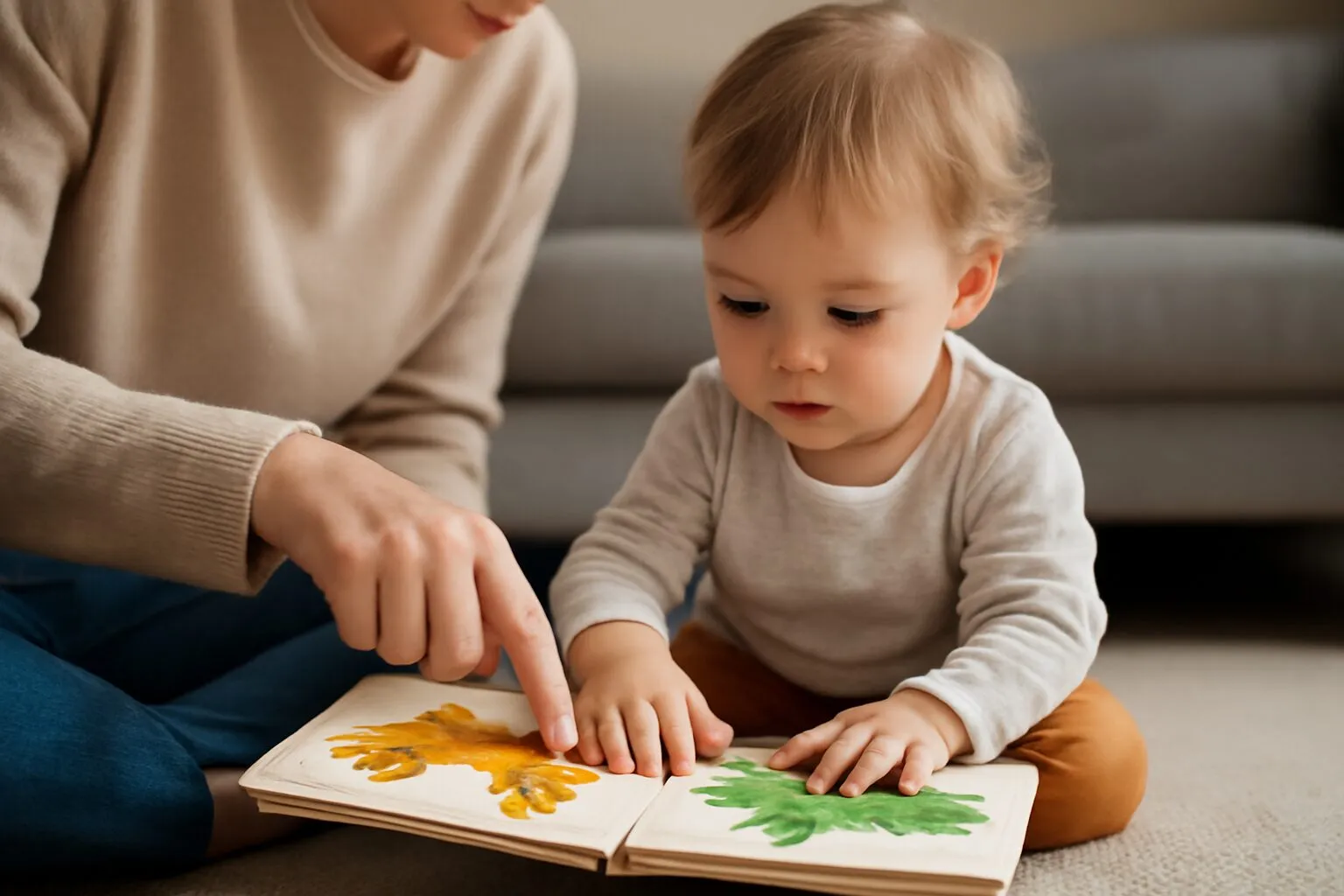
- Shared book routine — Read one short book each day. Follow the child’s attention, point to pictures and name what you see, and let them turn pages or touch repeated images. This builds oral language, vocabulary and print awareness.
- Talk and label — Narrate everyday actions in simple phrases—for example, “You are pouring milk. Milk is white.”. Keep sentences short, repeat names for objects, and pause so the child can respond. As toddlers grow, invite them to answer simple prompts such as “What is this?” to encourage back‑and‑forth conversation and vocabulary growth.
- Sensory letter play — Let the child press letter magnets into a bin of rice, trace foam letters in finger paint, or form letter shapes with play dough. Focus on letters in the child’s name to make the activity meaningful while also strengthening fine motor control and early letter recognition.
Preschoolers (3–5 years): what to try and how to vary it
- Rhyme hunt — Read or sing a short rhyme, then ask the child to find two household objects that rhyme (for example, cat and hat). This supports phonemic awareness and oral language; older preschoolers can practice generating rhymes on their own.
- Alphabet scavenger — Hide letter cards around a room. When a child finds a card, name the letter and say its sound; for an extra step, have them bring back an object that begins with that letter. This strengthens letter recognition and phonics knowledge.
- Play‑based writing — Set up a pretend “post office” with envelopes, paper and crayons. Encourage drawing, dictation and scribble writing as real communication; ask older preschoolers to attempt a few letters from their name to transition toward conventional writing.
Kindergarten to grade 2: targeted practice for decoding, fluency and comprehension
- Sound sort — Collect picture cards or small objects and sort them by beginning sound (bat, ball, bell = /b/). For more advanced children, sort by final sound or vowel sound to build more refined phonemic awareness and phonics skills.
- Story retell puppet show — After reading a short book, have the child retell it using puppets or toys, focusing on the beginning, middle and end. This activity strengthens comprehension, sequencing and oral language; older children can use a checklist (characters, problem, solution) as a prompt.
- Fluency partner reading — Read a short passage together, then time the child rereading for 30–60 seconds and celebrate progress. For emerging readers, use echo reading (adult reads a line, child repeats) to build expression and automaticity.
- Word‑family building — Choose a rime (for example, -at or -ing) and make words by changing the onset: c + at = cat, m + at = mat. Use magnetic letters for hands‑on practice or have older children write lists to reinforce decoding and spelling patterns.
Printable activity card text (copy, cut and use)
These prompts fit index cards—put them in a jar and pull one when you want a quick activity.
- Rhyme Finder: Say a word. Can you think of two words that rhyme with it?
- Letter Detective: Find something in the room that starts with the letter ___.
- Sound Sort: Put these pictures into piles by their first sound.
- Quick Retell: Tell the story we just read in three parts: beginning, middle, end.
- Spin a Sentence: Write one short sentence about your day. Underline the action word (verb).
How these activities map to core reading skills
Early reading skills are often grouped into core areas—oral language, phonemic awareness, phonics, fluency, vocabulary and comprehension—and most activities support more than one area. For example, rhyming activities build phonemic awareness and vocabulary; story retell builds comprehension and oral language. Frequent, playful repetition helps children move from awareness to automatic skill use.
Adjusting difficulty
If a task is too easy, raise the challenge by adding a timed element (how many rhymes in a minute), increasing working memory demands (ask for two details instead of one), or combining skills (sort by sound, then write the words). If it’s too hard, reduce choices, model a correct response first, allow drawing or dictation instead of writing, or focus on a smaller part of the skill (identify only the first sound rather than all sounds).
Common caregiver questions
How often should we do these activities?
Short, regular interactions are best. Even 5–10 minutes of daily reading, talk and one targeted activity builds more than occasional long sessions. Aim for frequent playful practice rather than long lessons.
Do screens help or hurt early literacy?
Screen activities that are interactive, age‑appropriate and used with an adult can supplement practice, but hands‑on play and shared reading remain the most reliable ways to strengthen the core reading skills in young children.
Close: pick, practice, celebrate
Choose a few activities that fit your child’s interests and current skills, use the printable prompts to shorten planning, and celebrate small milestones—more book time, clearer letter sounds or the first readable word. Keep the tone playful: curiosity and confidence are the best drivers of steady progress.