
How to estimate intake and spot concerns during formula feeding
A pediatric-based reference on formula feeding covering common intake estimates by age, safe mixing and storage, bottle and nipple selection, troubleshooting and signs that warrant contacting your pediatrician.
Formula feeding guide: practical pediatric-based guidance on how much formula babies commonly take, how to prepare and store formula safely, what to look for when choosing bottles and nipples, and how to troubleshoot common feeding concerns. Use this as a reference and follow your pediatrician’s advice for decisions about your baby.

Estimate daily and per‑feed amounts: what you can decide and watch for
Decide a working estimate for your baby’s intake, then adjust to their cues and growth. A helpful, widely used rule of thumb is about 2½ ounces (75 mL) of formula per day for every pound (453 g) of body weight. Use that to estimate daily totals while paying attention to behavior at the breast or bottle: fidgeting or losing interest usually means your baby is finished; draining the bottle and then smacking lips often means they want more.
Typical patterns by age to compare against your estimate:
- End of the first month: about 3–4 ounces (≈90–120 mL) per feeding, often every 3–4 hours.
- Around six months: about 6–8 ounces (180–240 mL) per feeding, commonly in four or five feedings across 24 hours.
- Rough upper limit: most babies take no more than about 32 ounces (960 mL) of formula in 24 hours on average.
If your baby consistently wants far more or far less than these ranges for their weight or age, contact your pediatrician so growth and feeding patterns can be checked and individualized guidance given.
Sample daily feeding schedules (examples)
These are example schedules using the article’s per‑feed ranges; label and pediatric guidance should be followed and amounts individualized to cues.
- Newborn (0–1 month) — example: 6:00 — 3–4 oz; 9:00 — 3–4 oz; 12:00 — 3–4 oz; 3:00 — 3–4 oz; 6:00 — 3–4 oz; 9:00 — 3–4 oz (sample times illustrating feeds roughly every 3–4 hours).
- 1–3 months — example: 6:00 — 3–4 oz; 9:00 — 3–4 oz; 12:00 — 3–4 oz; 15:00 — 3–4 oz; 18:00 — 3–4 oz; 21:00 — 3–4 oz (sample times illustrating feeds roughly every 3–4 hours).
Older infants around six months commonly consolidate to about four or five feeds; follow solids introduction guidance separately and individualize with your pediatrician.
Prepare, warm and store formula: steps to follow
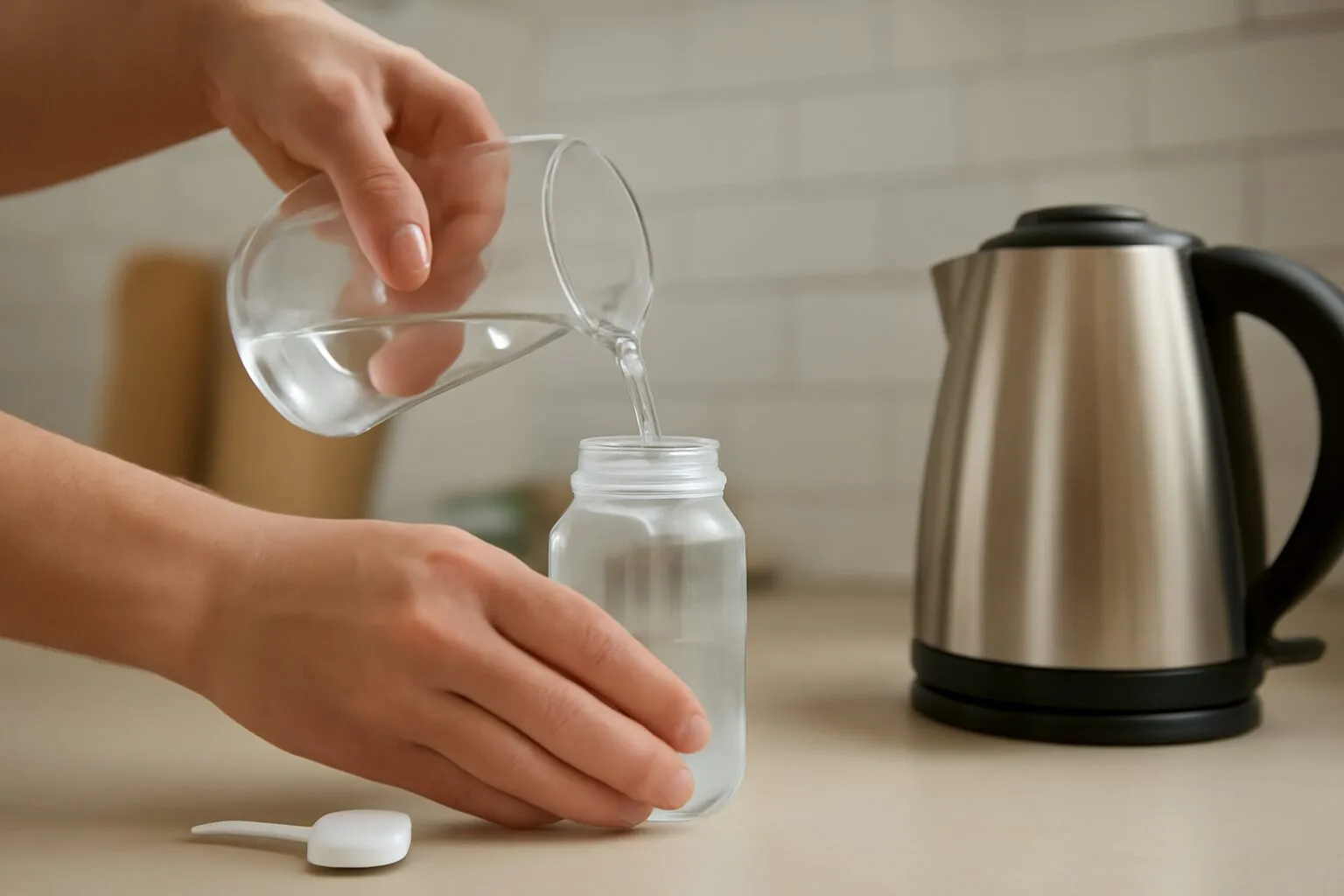
Decide whether you will use powdered, concentrated liquid, or ready‑to‑feed formula; each has specific instructions, so always follow the product label. For powdered formula, a common pediatric mixing ratio is 2 ounces (60 mL) of water per level scoop of powder. Measure scoops and liquid volumes precisely and do not add extra water—overly dilute formula can be harmful.
When choosing water for mixing, follow local health advisories: many families use boiled, bottled, or distilled water as recommended. Ready‑to‑feed and concentrated liquids require different preparation—read their labels and do not substitute instructions.
For warming bottles, place the bottle in a container of warm water or use an electric bottle warmer. Avoid microwaving bottles because uneven heating and hot spots can cause scalds. Prepared formula that has been opened, warmed, or partially consumed should be used or discarded according to the product instructions and your pediatrician’s advice—discard any leftover formula left in a bottle after a feeding rather than saving it for the next feed.
Choose formula and bottle equipment: how to decide what to try
Decide on an iron‑fortified infant formula for most infants unless your pediatrician advises otherwise; iron‑fortified formulas are routinely recommended to help prevent iron deficiency. If your baby has symptoms such as crying, spitting up or gas, don’t automatically switch formulas multiple times—discuss persistent or severe symptoms with your pediatrician before trying swaps, because frequent changes are rarely helpful.
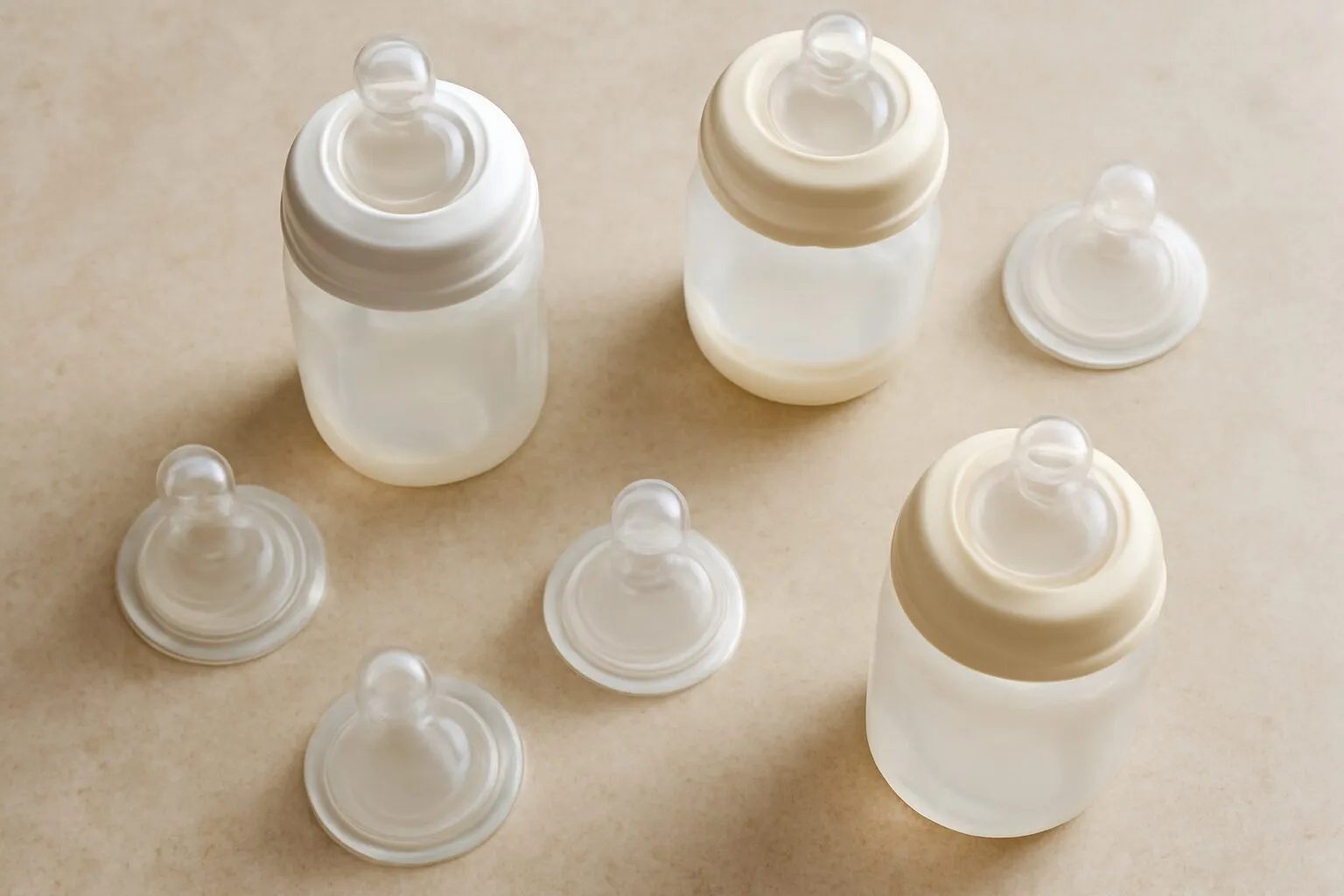
There is no single bottle or nipple that works for every baby. Start with a reputable bottle that is easy to clean and try one nipple flow; if the baby feeds too quickly or too slowly, change to a different flow. Cleaning with hot soapy water and a thorough rinse is standard; follow manufacturer guidance for dishwasher use and for when to sterilize bottles, especially for very young or medically vulnerable infants.
Common concerns and troubleshooting: practical first steps
If your baby spits up frequently or seems gassy, begin by checking feeding technique: paced feeding, proper positioning, and regular burping can reduce air swallowing and reflux-like spit‑up. Many infants have spit‑up or gas without an underlying problem and do not require a formula change.
Overfeeding can occur. Signs to watch for include consistently taking more than the typical daily volumes noted above, persistent discomfort after feeds, or weight patterns that do not match intake. If your baby consistently takes much less than expected, has worrisome stool patterns, ongoing fussiness, or you are concerned about growth, seek pediatric evaluation rather than relying on unverified home remedies or repeated formula changes.
How to track feeds (simple log you can copy or print)
| Time | Amount offered (oz/mL) | Amount taken (oz/mL) | Diapers since last feed (# wet / # dirty) | Notes / symptoms |
|---|---|---|---|---|
Record the time, what you offered and what the baby actually took, diaper output, and any symptoms such as reflux, vomiting or fever so you can spot patterns and share accurate details at pediatric visits or during illness. If concerned about intake, weight, or dehydration signs, contact your pediatrician.
Quick safety checklist and when to call your pediatrician
- Use the correct water‑to‑powder ratio for powdered formula; do not dilute with extra water.
- Use iron‑fortified formula for most infants unless directed otherwise by your pediatrician.
- Feed on demand during the newborn period, then follow your baby’s cues as they settle into a schedule.
- Do not give additional water to babies under six months unless advised by a clinician.
- Discard leftover formula in a bottle after a feeding; do not save it for the next feed.
Call your pediatrician if your baby: consistently wants far more or far less formula than expected for weight or age; shows signs of dehydration (fewer wet diapers, lethargy); has persistent vomiting, difficulty breathing, blood in stools or stool that looks abnormal; or if you are unsure about formula preparation or storage. When in doubt, contact your pediatrician for guidance tailored to your baby.
Conclusion
This guide summarizes pediatric-oriented recommendations on how much to feed, safe preparation and storage, bottle basics, and common troubleshooting. Keep your pediatrician’s number handy and bring feeding questions to clinic visits so growth and intake can be assessed in context.