Bedtime routine chart: age‑based templates and ready-to-print files
A practical how‑to that walks parents through choosing steps, picking icons and formats, and downloading print or editable charts so routines are easy to start and keep consistent across caregivers.
Decide the exact sequence you want your child to follow each night, pick clear one- or two-word labels, and match each label with an easy-to-read icon so pre‑readers can work independently. This guide groups the steps you’ll need, shows age-appropriate versions, and gives practical, short instructions for putting a bedtime routine chart into action at home.

Build the core sequence
Show the exact order on the chart and keep each step short. For most families the same basic sequence works; use the labels below or adapt them to match your household.
- Wind-down cue — label: “Quiet time” or “Start wind-down”; icon: dim lamp, timer or moon.
- Bathroom — label: “Bathroom”; icon: toilet or washbasin.
- Wash/brush — label: “Brush teeth” or “Wash face”; icon: toothbrush or sink with bubbles.
- Pajamas — label: “PJs on”; icon: pajamas or t-shirt.
- Book/read — label: “Story” or “Read”; icon: book or open pages.
- Lights/bed — label: “Lights off” / “Get in bed”; icon: light switch and bed.
- Goodnight — label: “Hug/Goodnight” or “Sleep”; icon: heart or sleeping moon.
Choose the right version by age
Toddlers and pre-readers (2–4 years)
Keep the sequence compact (4–6 steps), use large pictures and one-word labels so the child can follow without reading. Use straightforward image choices such as “Bath,” “PJs,” “Brush,” “Story,” “Bed.” and make items visually distinct (toothbrush vs. bathtub).
Preschool to early school age (4–7 years)
Use 4–7 steps with simple verbs and, if helpful, a small time cue for tasks that should be brief. A sample pair of labels is “Brush teeth (2 min)” or “Read (5–10 min).”. For this group choose friendly cartoons or clear pictograms; add a clock face to show a time limit for a task.
Older children (8+ years)
Move to text labels with optional checkboxes so kids can mark completion. Examples you might use are “Shower,” “Brush teeth,” “Pack for tomorrow,” “Read/quiet time.”. Icons can be smaller or omitted — older kids respond to short text and a sense of ownership over the routine.
Labels, language and icons
Choose positive, specific language and keep labels consistent across caregivers so the child hears the same words and sees the same icons at home, at daycare or with grandparents.
- Prefer short positive actions like “Brush teeth” rather than negative instructions (avoid “Don’t watch screens”).
- If you use two languages, show both side-by-side or add a bilingual strip so everyone follows the same routine words.
Icon types that help pre-readers
- Real photos — use photos of your child doing the task when possible so the cue feels familiar.
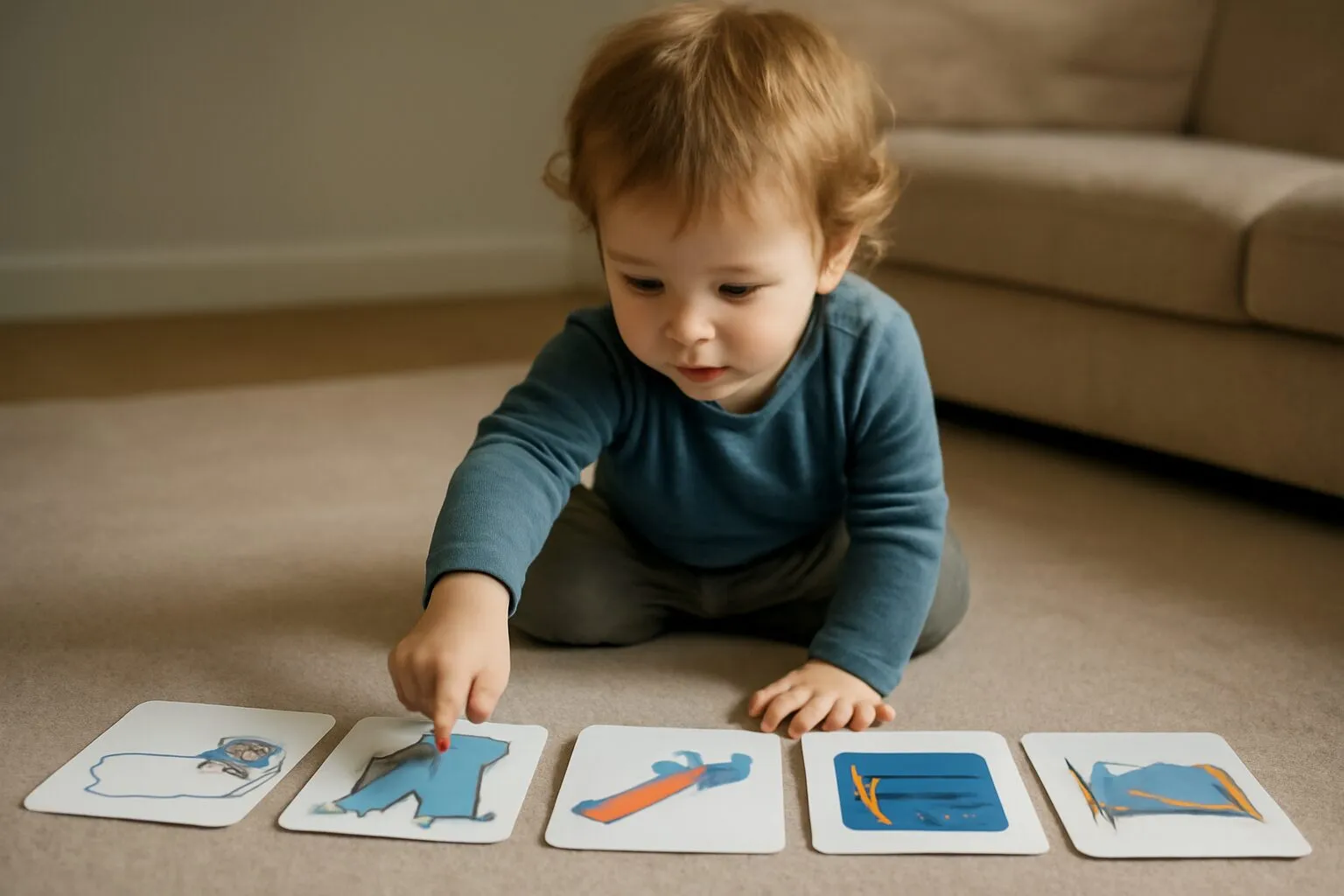
- Simple line pictograms — hold up well at small sizes and print clearly (toothbrush, book, bed).
- High‑contrast symbols — useful for low‑vision or sensory‑sensitive children.
- Velcro or movable picture cards — let the child move a card from “To Do” to “Done” for a tactile, satisfying finish.
Put the chart into use quickly
Successful adoption depends on where you place the chart, a very short introduction, and a consistent start cue. Use the steps below to introduce the chart so it becomes part of the evening flow.
Placement and format
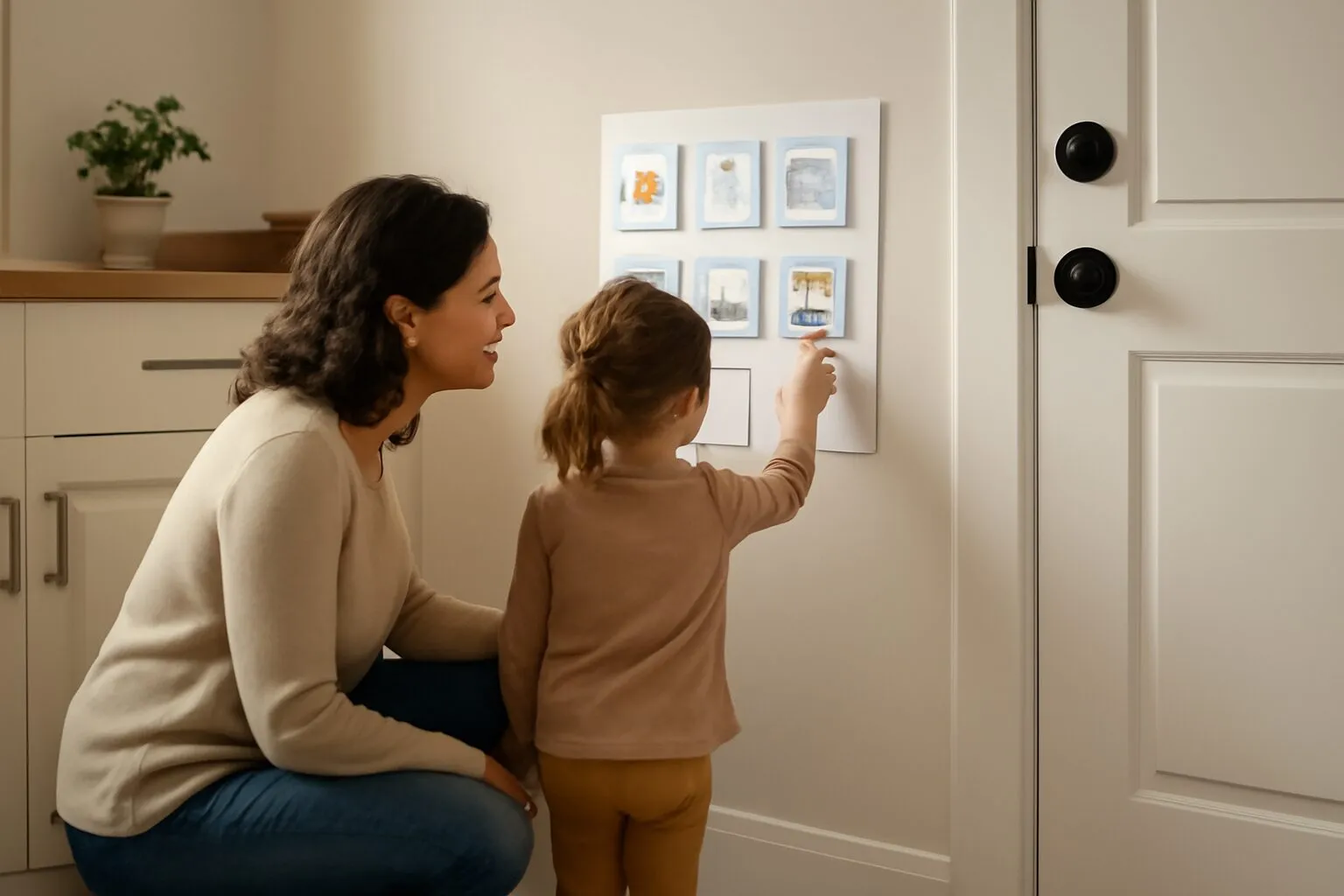
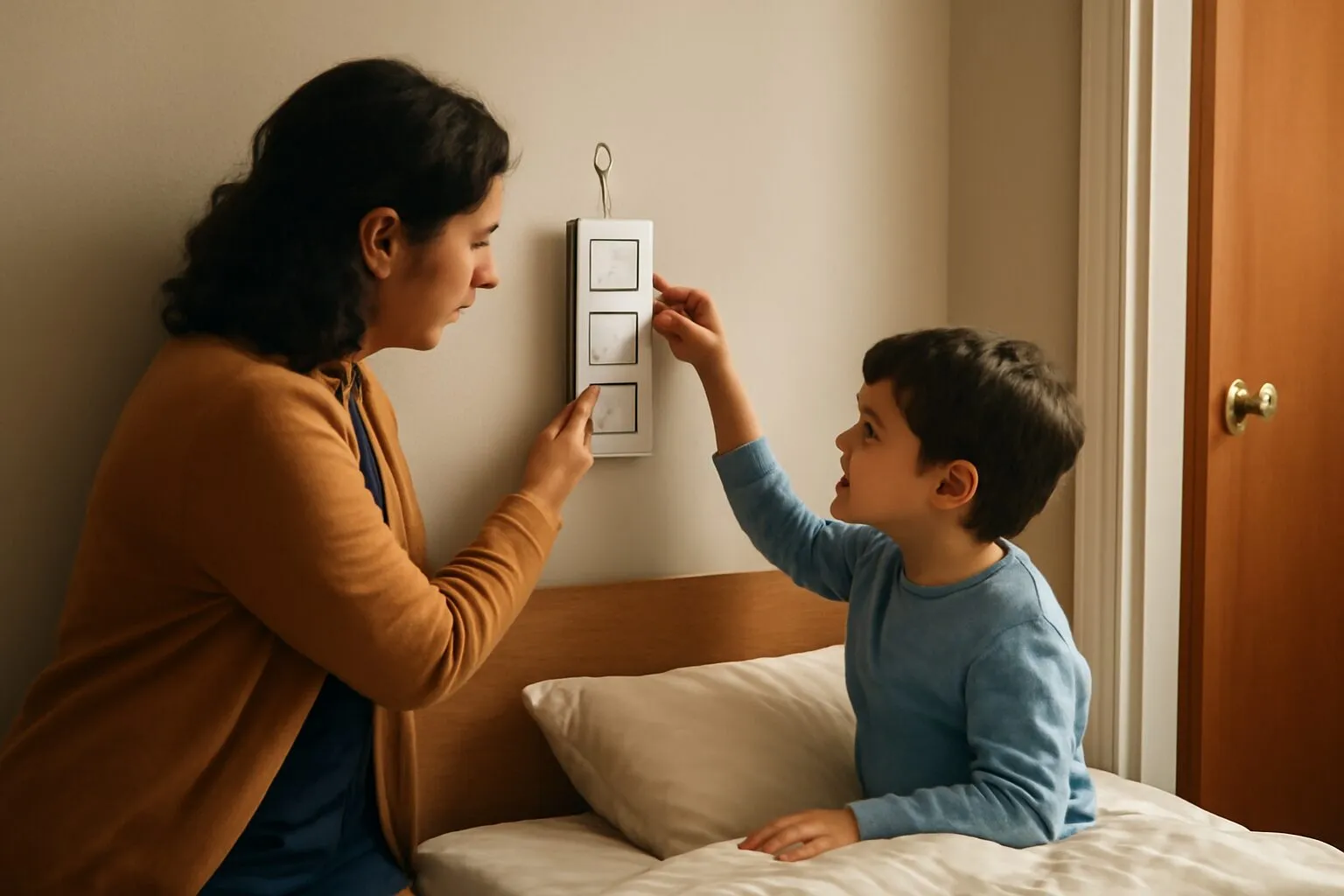
- Hang the chart where the child will see it during the routine (bathroom door, bedroom wall, or a low hook by the bed).
- Choose a format that fits your family: laminated printable for dry‑erase, Velcro picture cards, or an editable digital image for a tablet or smart display.
- Keep the design visible but calm — avoid bright backgrounds and excessive decoration that distracts from the steps.
Short introduction script (use the first night)
- Show the chart together and name each step while pointing so the child hears the sequence. Use a simple script such as: “First we take a bath, then we put on PJs, then we brush teeth.”
- Demonstrate the first step and let the child move the first card or check the first box so they get immediate success.
Consistent cues and timing
- Start each night with the same cue — a short phrase, a sound, or a set time — so the child learns the routine is beginning.
- Keep task lengths realistic: toddlers need shorter reading windows, older kids can have longer quiet reading. If you use clocks, keep time expectations simple (for example: “5–10 minutes”).
Rewards and motivation
Use small, immediate reinforcements so the chart stays about sleep readiness rather than the prize. For young children stickers, a token to move, or a brief extra story work well. Older children respond better to a point system toward a weekly privilege such as screen time or a weekend choice.
Troubleshooting resistance
- If your child stalls: stay calm, use minimal words, and offer a constrained choice inside the routine (pick book A or book B) to regain momentum.
- If checkboxes stop motivating: change the format to Velcro cards or add a tactile element like placing a soft token in a jar.
- If steps are skipped: model the routine side‑by‑side for several nights and praise completion rather than correcting every miss.
Keep the chart useful over time
- After 2–3 weeks, rotate icons or switch rewards if interest fades.
- Update labels as the child grows — shift from photo icons to short text when reading emerges.
- Keep a spare printed chart so babysitters or grandparents can follow the same routine.
Safety and when to seek help
Put a brief safety reminder on printable charts to protect infants and maintain parts: “Keep small picture cards out of reach of infants; replace worn Velcro or small parts.” Avoid medical claims on the chart itself; longer safety notes belong with the download or packaging.
When to consult a professional
If bedtime stays highly disruptive for months despite consistent routines — extreme nightly anxiety, prolonged night wakings, or dangerous sleep behaviors — contact your pediatrician or a sleep specialist for evaluation and tailored advice.
Designer checklist for file delivery
- Provide a print‑ready PDF (US Letter) and a high‑resolution PNG or JPEG for image use.
- Include an editable version (Google Slides, Google Docs, or layered PSD/AI) so parents can swap icons and text.
- Add a low‑ink option for economical printing and a one‑page instruction sheet with placement and reward ideas.
Match a simple, predictable sequence with clear icons and the short adoption tips above, and a bedtime routine chart will reduce evening friction and teach your child a set of steps they’ll use for years.
Frequently asked questions
- How many steps should I include? Match the child’s attention span: 4–6 steps for toddlers, up to 7 for school‑age children.
- Where should I hang the chart? Put it in the room where most tasks happen — the bathroom for washing/teeth, or the bedroom wall for the final steps.
- Do charts work for children with sensory needs? Yes — use photo icons, high‑contrast symbols, and tactile elements like Velcro to increase usability.